





36th Anniversary Celebration Thai-French Innovation Institute
History
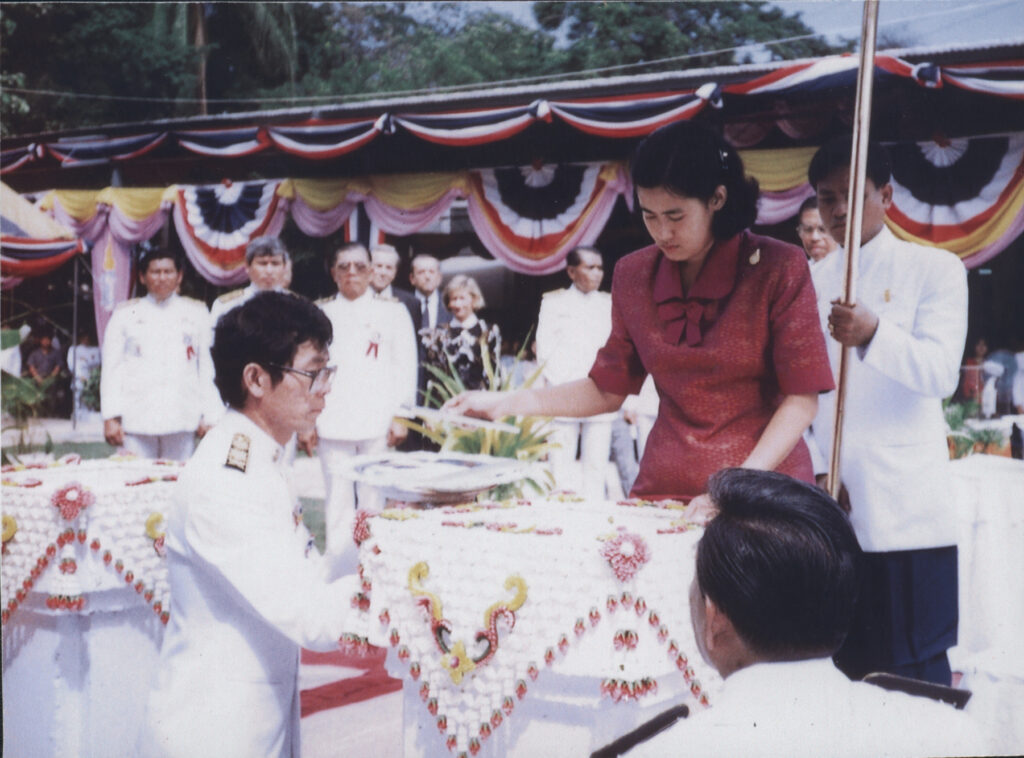
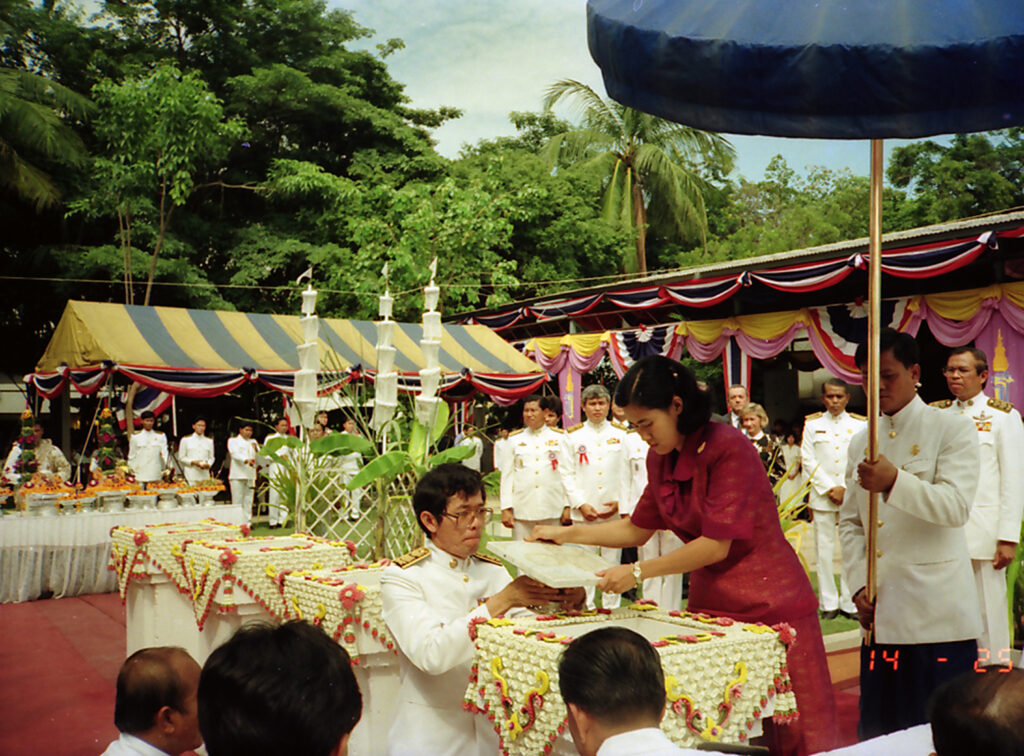
HRH Princess Maha Chakri Sirindhorn graciously paid a visit to the King Mongkut’s University of Technology North Bangkok to lay down the foundation stone of the Thai-French Innovation Institute on October 2, 1990.
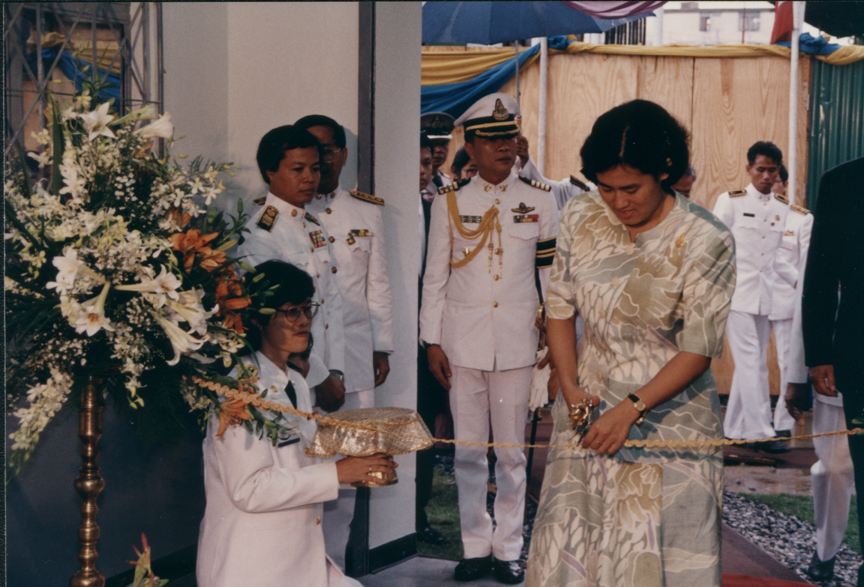
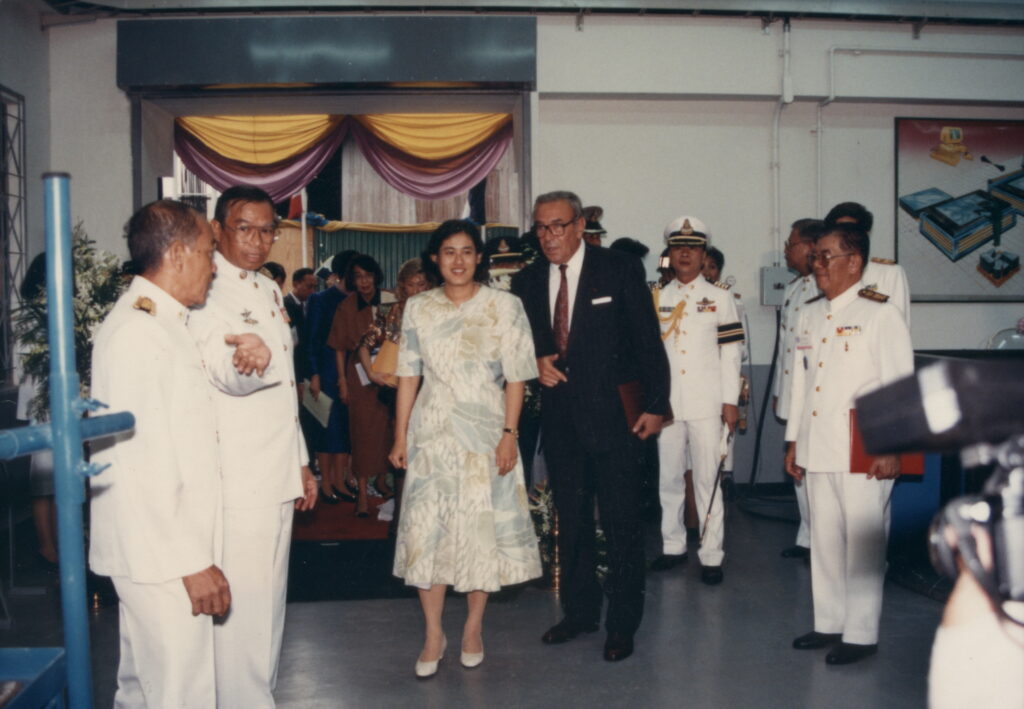
On June 5, 1992, HRH the Princess presided over TFII’s official opening and visited the exhibition focused on modern machinery and a diverse range of equipment supported by French companies.
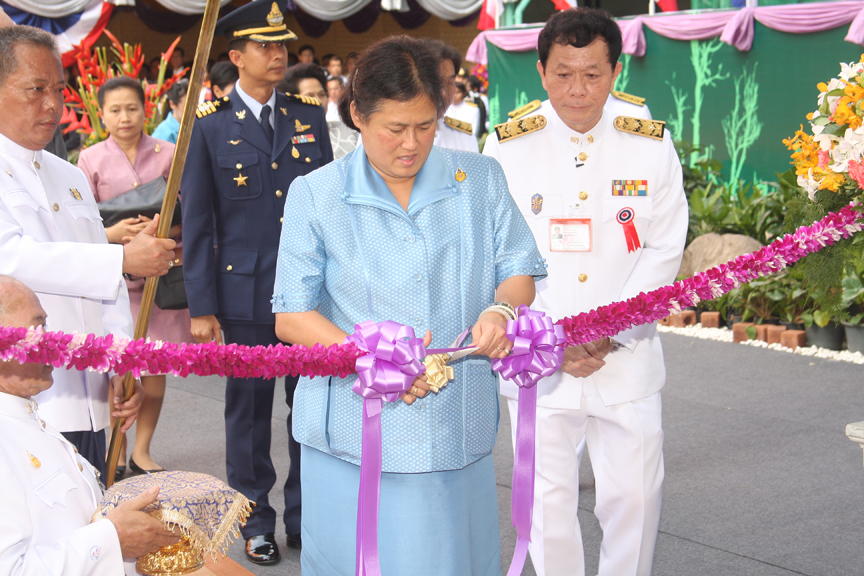
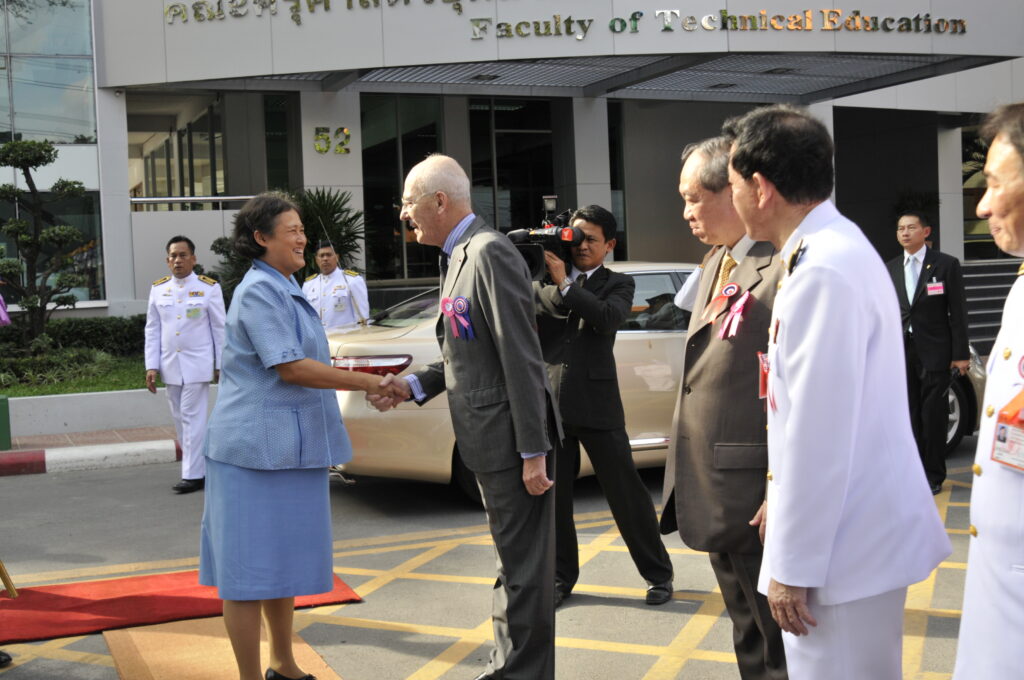
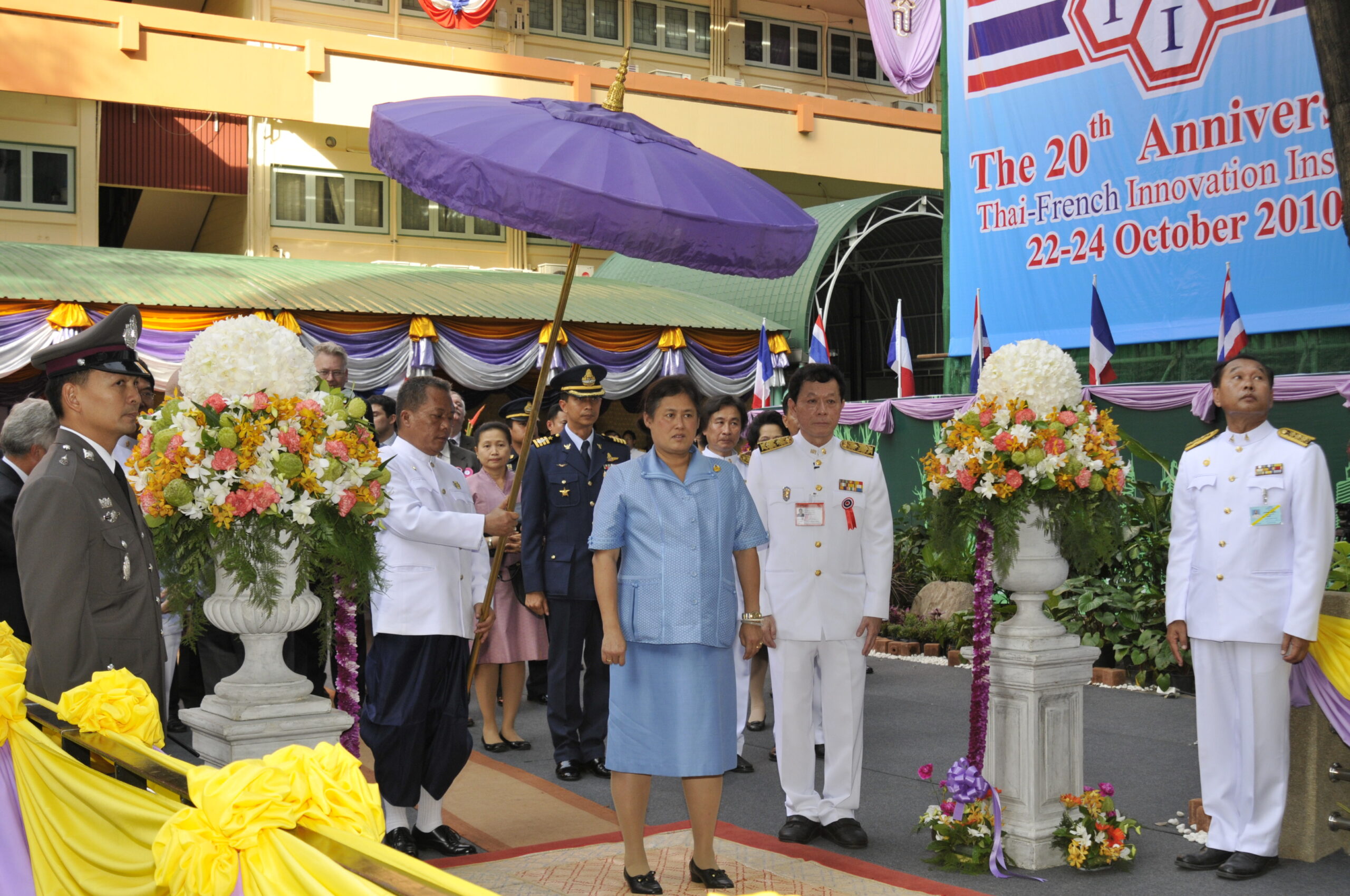
Once again on October 22, 2010, HRH the Princes graciously presided over the official opening and visited the exhibition showcasing academic and technological accomplishments hosted by Thai-French Innovation Institute on the 20th anniversary celebration of TFII founding.
Former and Present-day Director of Thai-French Innovation Institute
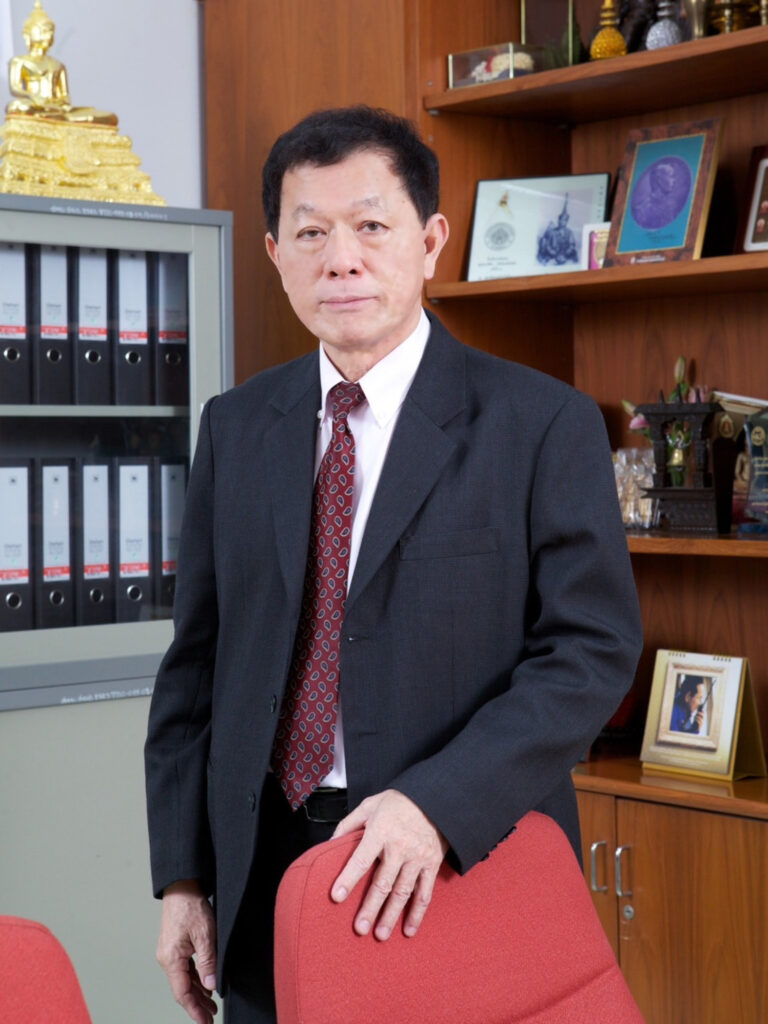
Prof. Dr. Teravuti Boonyasopon
The First Director of the Thai-French Innovation Center (In 1990)
Prof. Dr. Teravuti Boonyasopon, KMUTNB president who has served 4 non-consecutive terms in office (2001-2007, and 2009 to present) took up his role as the first Director of Thai-French Innovation Institute in (1990). In 1989, as Dean under the Faculty of Technical Education during the term of former President Assoc. Professor Dr. Chana Kasipar, Professor Boonyasopon was the pioneer in the initiation and coordination with French industries for the establishment of Thai-French innovation Center (TFIC), which currently being upgraded to the Thai-French innovation institute (TFII).
During his first term as Dean of Faculty of Technical Education in 1989, Professor Boonyasopon encouraged the coordination with industry sectors in France, particularly Mrs. Hélène Farny, Air Liquide’s Director for equipment activities, together with the French Embassy in Bangkok.
The main objective highlighted the continuous growth and development in instructional activities, development and improvement of research activities across academia and enterprise boundaries. The institution has been practical and serviceable for arranging training sessions offered
to engineers, technicians and technologists from notable Thai and French companies.
The foundation stone of TFII was laid in 1990 by HRH Princess Maha Chakri Sirindhorn. The construction budget was supported by the Thai Government under the economic and academic collaboration agreement. Two years later, HRH the Princess also presided over the official opening of the Institute and visited an exhibition of modern machinery and equipment manufactured by French companies, which
was handed over by the French government. Total combined value of the equipment was 140 million baht at that time.
Up till now, the institution has become a “Center of Excellence” aiming at an efficient transfer of know-how and technology to national and international communities of academic institutions and industry-related companies. Technology dissemination and transfer has been carried out in diverse fields, some of which feature automated production systems, welding technology, corrosive technology, electrical and electronics technology, renewable energy, metrology and CAD / CAM technology.
In the Name of the first Director of TFII and current President of KMUTNB, I take great pride in the work and accomplish ments of this cooperative endeavor. I wish here to express my heartfelt thanks to the French Government, the French industrial groups, faculty, staff members, alumni and regional initiative coordinator Mr. Arnauld De Nadaillac, Dr. Jean-Pierre Delsol and Dr. Mickaël Chauvin. I appreciate your extreme support and collaboration to the enhancement of quality of our education and research progress in science and technology, enabling these facets to reach the international community’s recognition and standards.
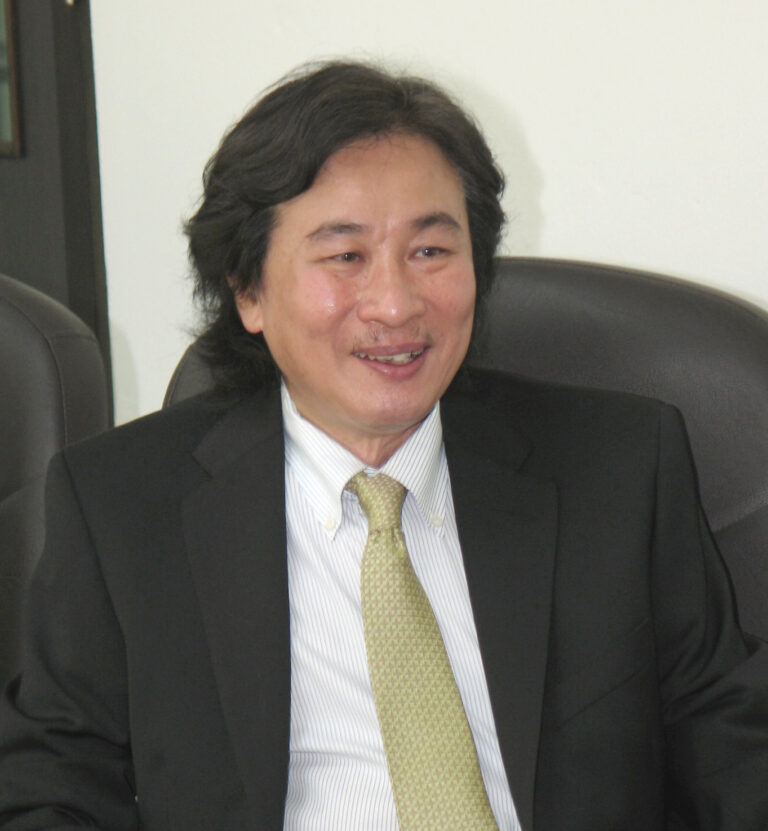
Asst. Prof. Dr. Panarit Sethakul
The Second Director of the Thai-French Innovation Institute (From 1996-2014)
Asst. Prof. Dr. Panarit Sethakul, the current Dean of the Faculty of Technical Education served as Director of Thai-French Innovation
Institute (TFII) from 1996 to 2014. He holds a Ph.D. degree in Electrical Engineering from Université de Lorraine. “I feel incredibly honored to have
participated in the operation of cooperation activities carried out under cooperative agreements between the two countries,” said Dr. Sethakul.
Taking into account a bird’s eye view of the whole environment from different angles under PESTEL framework analysis (political, economic, social, technological, environmental and legal constituents), the two nations somewhat differ in many aspects, predominantly in terms of social, educational and technological features.
A key to success in promoting cooperation arose from reducing these gaps to ensure the continuity of international cooperation activities. A few examples of implementation of operations during his term encompass:
1. Human resource development through exchanges of academic staff and researchers at doctoral and post-doctoral levels. The operational processes and procedures with UL have been carried out since 2003.
2. Joint initiatives to support academic and research progression incorporating the establishment of The Renewable Energy Research Center (RERC) in 2006; the launch of a dual degree program, Ph.D. in Electrical and Energy with UL in 2015; along with collaborative research and training networks with IS, Schneider Thailand and INS.
3. Scholarly collaboration in academic works and formal dissemination of research outputs and research productivity. To operate in a more sustainable manner, the procedures and practices need to be realized through mutual consent, acknowledgement and understanding of the cooperation framework between both parties.
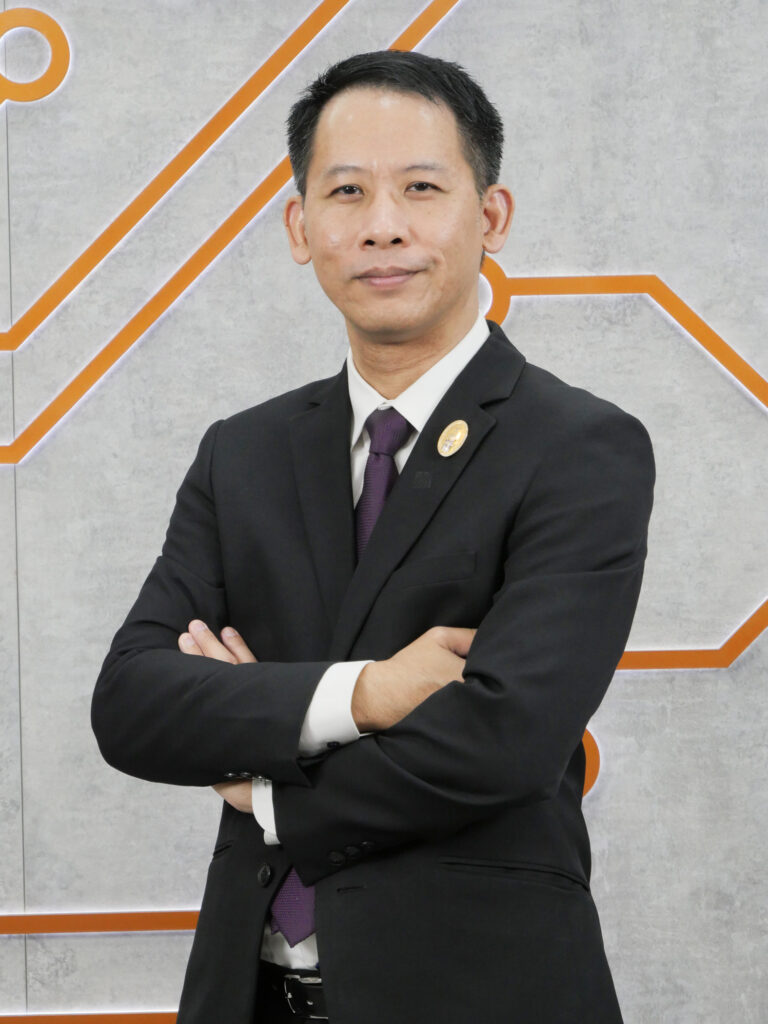
Asst. Prof. Dr. Wattana Kaewmanee
The Third Director of the Thai-French Innovation Institute (From 2014-2023)
Asst. Prof. Dr. Wattana Kaew manee, TFII Director from 2014-2023.Throughout the past, I have been engaged with TFII in varied status, starting from a college student seeking academic support services, scholarship holder for short- term training in France, a recipient of Ph.D. scholarship under a cooperative program, a faculty member as well as the project leader for different undertakings in relation to TFII boundaries. Perceiving dedication and attention of executives and the entire staff members of this institution, I wish to extend my deepest heartfelt thanks for your indefatigable support and assistance. This year, I have been entrusted in the capacity of Director of the Office. Notwithstanding some major challenges, I am convinced that our high- potential team will direct TFII towards the path of progress and sustainable development.
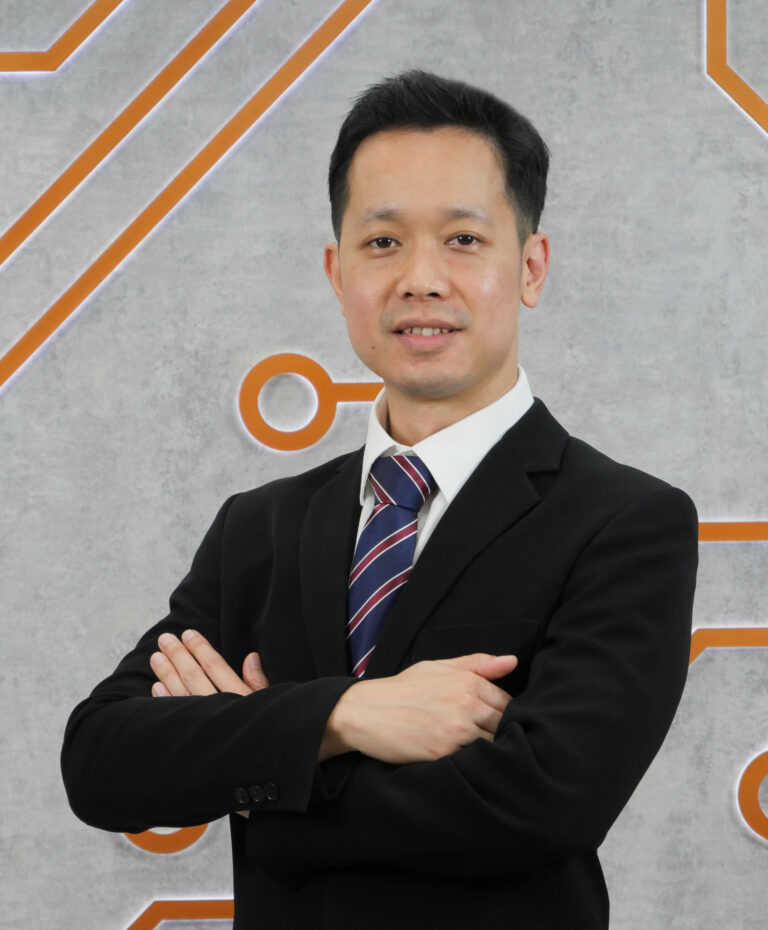
Asst. Prof. Dr. Pornsak Srisungsitthisunti
The Fourth Director of the Thai-French Innovation Institute (From 2023-present)
Assistant Professor Dr. Pornsak Srisungsitthisunti has served as the Director of the Thai-French Innovation Institute since 26 August 2023 to the present.
The Thai-French Innovation Institute is committed to advancing innovation and technology in collaboration with both domestic and international industries, as well as to developing human capital in the industrial and educational sectors to achieve global competitiveness. The Institute has been accredited by the Welding Institute of Thailand (WIT) to deliver training programmes in welding engineering under the International Institute of Welding (IIW), which is recognized in more than 70 countries worldwide. In addition, the Institute actively promotes research in corrosion prevention technologies, in collaboration with leading global oil and gas exploration and production companies such as PTTEP and TotalEnergies E&P Thailand. It also collaborates with Schneider Electric (Thailand) Ltd. in the field of industrial automation systems and serves as a national skill standards testing center, providing competency assessment services.
In terms of international collaboration, particularly with the French Republic, the Institute has established the Renewable Energy Research Center (RERC) in partnership with Université de Lorraine, France. The Center focuses on research and development in energy transmission and storage systems derived from alternative energy sources, including fuel cells, solar energy, and wind energy.
The Center of Excellence (CoE), entitled the “TFII–Schneider Electric Center of Excellence in Electrical Industry, Electronics, Automation Systems, and Modern Renewable Energy,” was established on 28 February 2024 through collaboration among King Mongkut’s University of Technology North Bangkok (KMUTNB), the Thai-French Innovation Institute, Schneider Electric (Thailand) Ltd., the Asia Society for Social Improvement and Sustainable Transformation (ASSIST), and the Office of the Vocational Education Commission. The Center aims to develop and enhance workforce capabilities by providing training and knowledge transfer from experts to instructors and interested participants, thereby fostering master trainers and strengthening human resource development.
The CoE-ECT (Center of Excellence for Electrochemistry and Corrosion Technology) has received establishment funding from the Science and Technology Promotion Fund for the fiscal years 2025–2026. This funding supports the acquisition of advanced testing equipment necessary for delivering electrochemical testing and corrosion prevention services to the industrial sector. The Center is expected to become a leading testing hub in the ASEAN region and has plans to upgrade its laboratory to achieve ISO/IEC 17025 accreditation within this year.
In 2026, the Thai-French Innovation Institute celebrates its 36th anniversary. This milestone represents a significant opportunity to further enhance its expertise and service quality in delivering academic and technical services to society. The Institute remains committed to ensuring customer satisfaction through internationally recognized quality management standards (ISO 9001) and to pursuing continuous improvement for sustainable impact.
French Co-ordinators
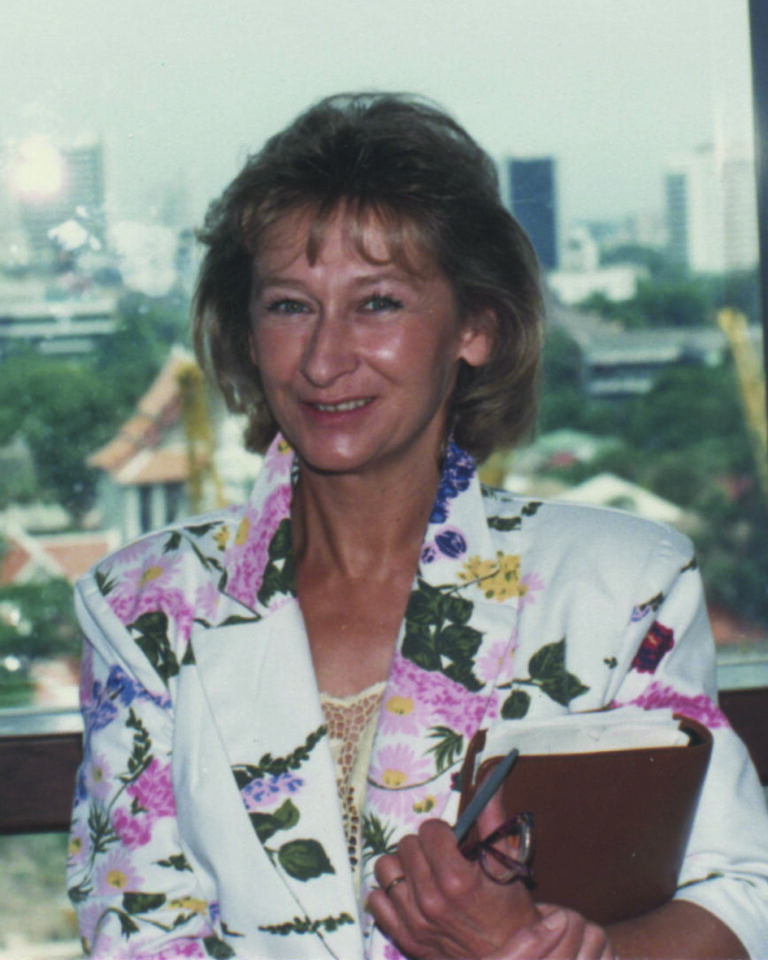
Mrs. Helene Farny,
Mrs. Helene Farny, who played an important role in TFIC founding:
In 1989, Mrs. Helene Farny served as International Director for Equipment Activities of The Air Liquide Group, France. She also held a position as French foreign trade advisor, Secretary General and Board Administrator of France DIDAC Association. Mrs. Farny was responsible for organizing a number of conferences and exhibitions on equipment for science and technology education.
The events were carried out by French companies in association with national academic and industrial sectors. Subsequently, Mrs. Farny was assigned as representative of the Air Liquide Group, France DIDAC and La Fédération des Industries Mécaniques (FIM) for assessment of Thailand’s higher education institutions with regard to organizational readiness for technology transfer from France. In the meantime, King Mongkut’s University of Technology North Bangkok was selected as a result of its high level of technology readiness and highly skilled personnel.
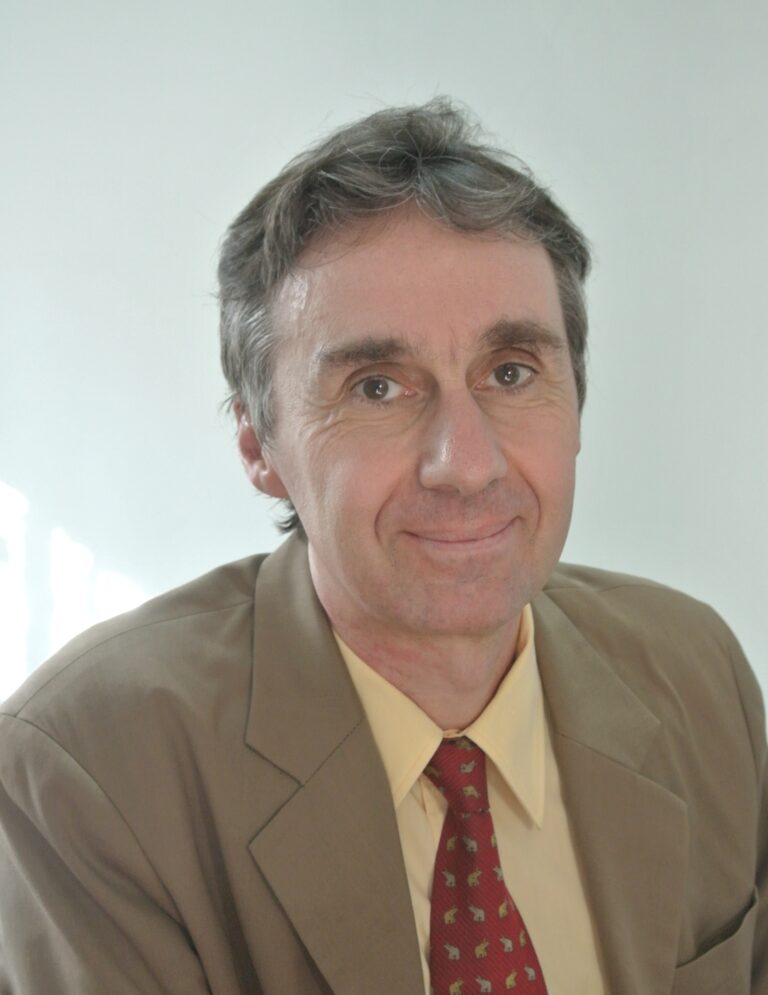
Mr. Arnauld De Nadaillac
Mr. Arnauld De Nadaillac, the first French appointed by The French Ministry of Foreign Affairs to the expert’s duties at TFIC from April 30, 1996 to August 31, 2001. Engaged in novel initiatives, he coordinated collaboration with industry and academia of France for promoting KMUTNB’s academic and research endeavors. Effective training sessions were conducted for numerous local, regional and international public and private organizations. In addition, Memorandums of Understanding were carried out with the following organizations:
1. Université de Lorraine, with the Department of Electrical and Electronic Technology
2. INP Grenoble, with the Department of Automated Manufacturing System
3. IS, with the Department of Welding Technology
4. Thainox Steel for the establishment of Corrosion Laboratory
Mr. De Nadaillac initiated multiple initiatives comprising Franco-Thai cooperation program in higher education and joint research; continuing vocational education program; conducting training courses to those in the Indochina region comprising Cambodia, Laos and Vietnam. Through
promising Thai and French partnership, the practices and lessons further enhanced sustainable development in academic and professional organizations.
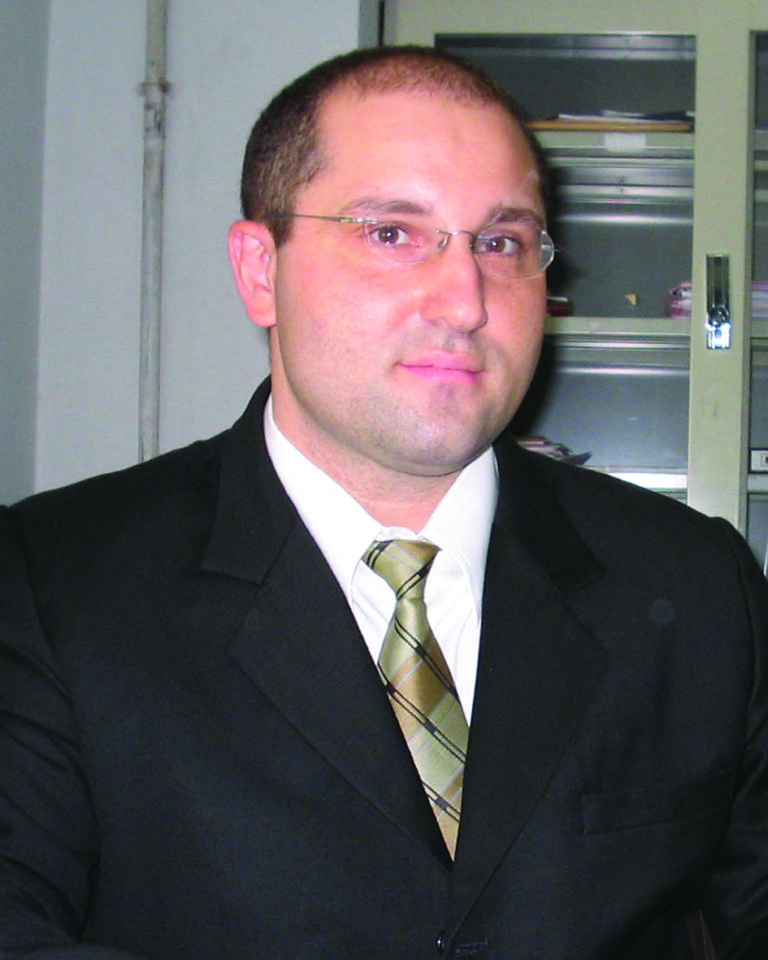
Dr. Mickaël Chauvin
Dr. Mickaël Chauvin, the appointed expert whose term started from December 2, 2005 to December 31, 2014. After the successful implementation of the project’s first and second phases, subsequent operations were carried on as follows:
1. Develop and establish strong partnerships with French companies in particular Valeo, Schneider, INS, IS and an agreement for academic cooperation with Université de Lorraine and ITT.
2. Promotion of further education at the doctoral level: École nationale supérieure d’arts et métiers (ENSAM), and INP-Toulouse
3. Grants for KMUTNB research staff to carry out research projects at Université de Lorraine, INP Grenoble, INP Toulouse and ENSAM
4. TFIC Excellence Scholarship Program, a development project supporting KMUTNB candidates who undertake their doctoral studies. The mission was operated with the French Embassy in Bangkok.
5. Scholarship opportunities for TFII staff development: visit, training and conducting research at GREEN, CETIM, ITT
6. Organizing the 2006 and 2010 International Welding Congress and 7. Operating GMS project.
Activities of the French Embassy in Bangkok with TFII
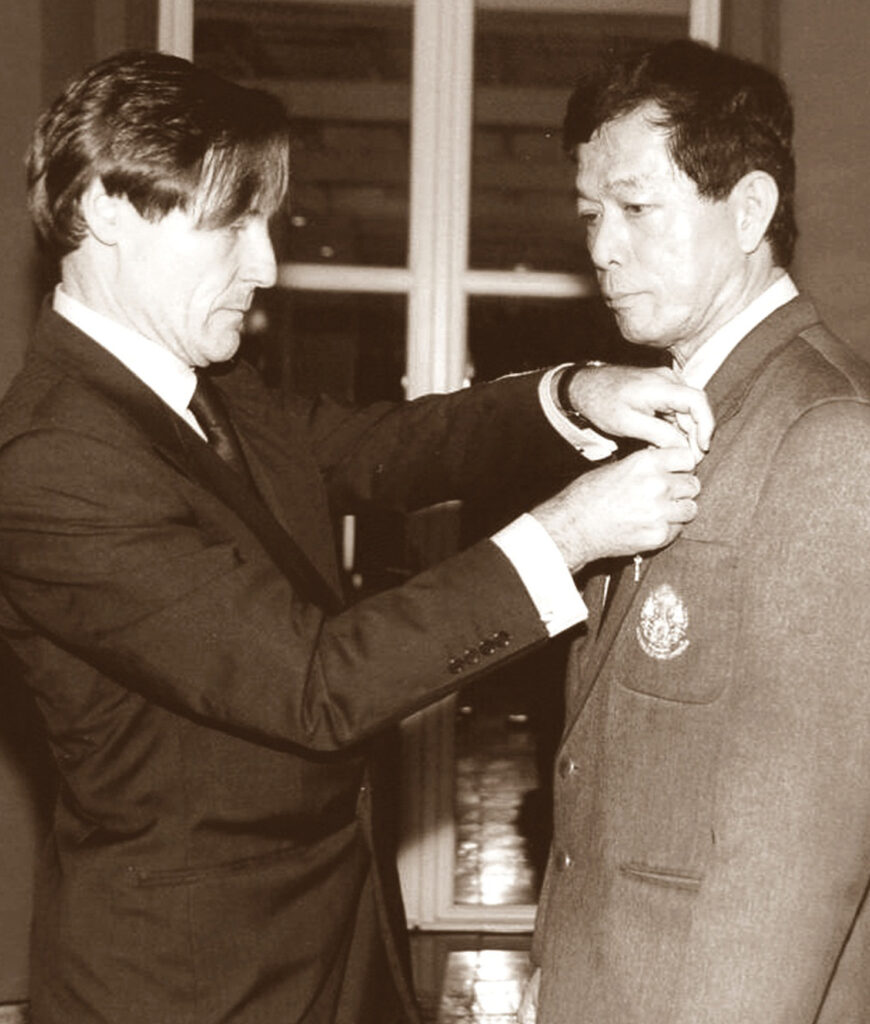
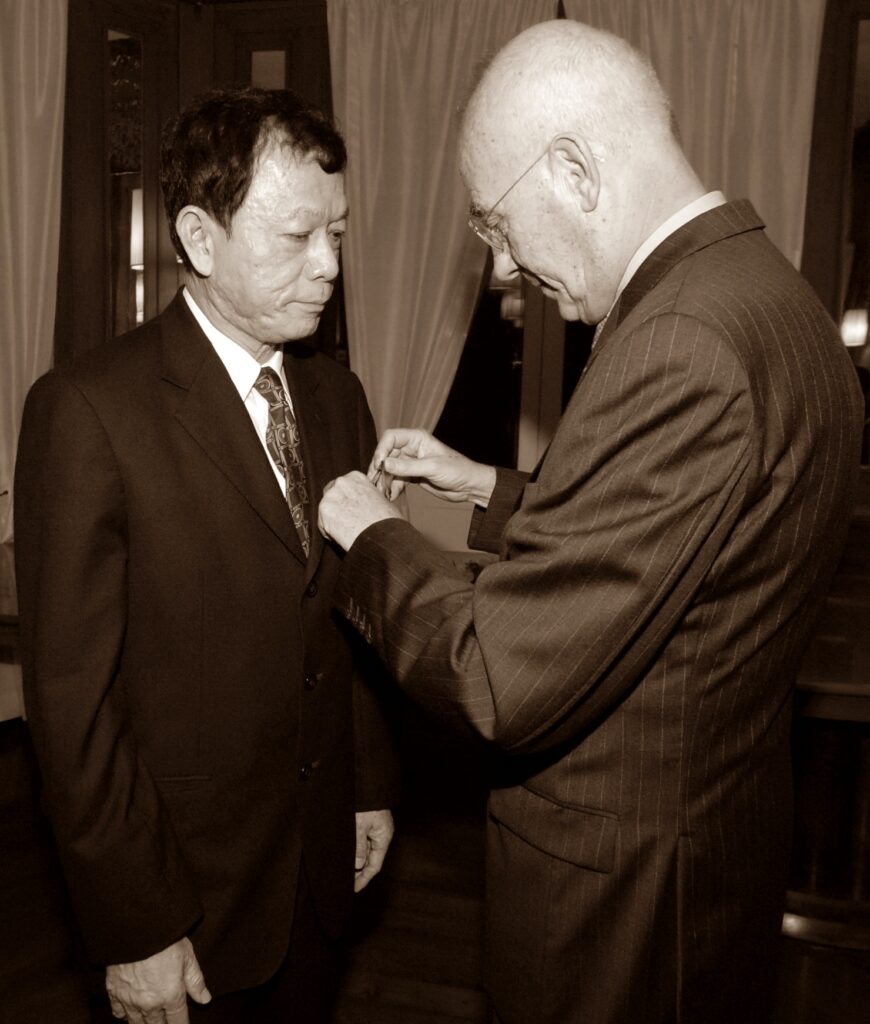
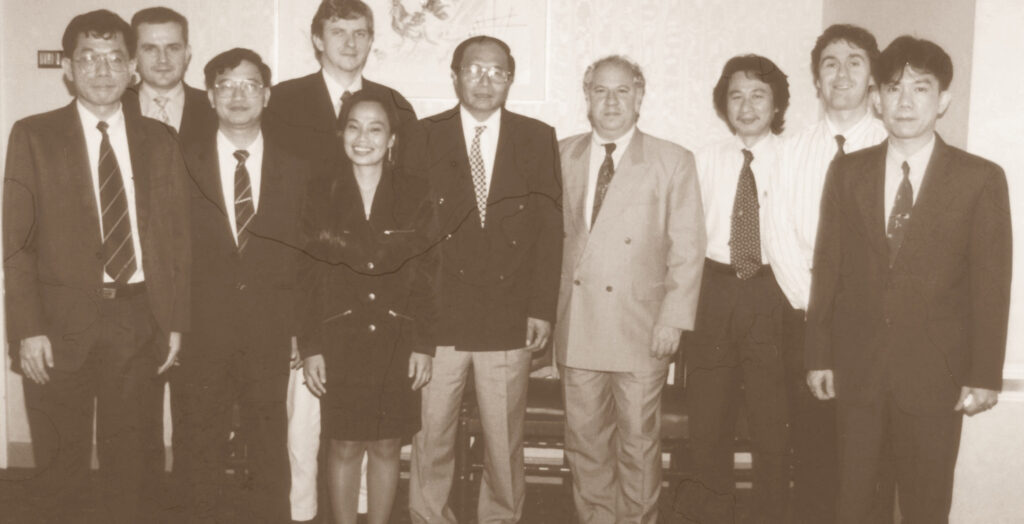
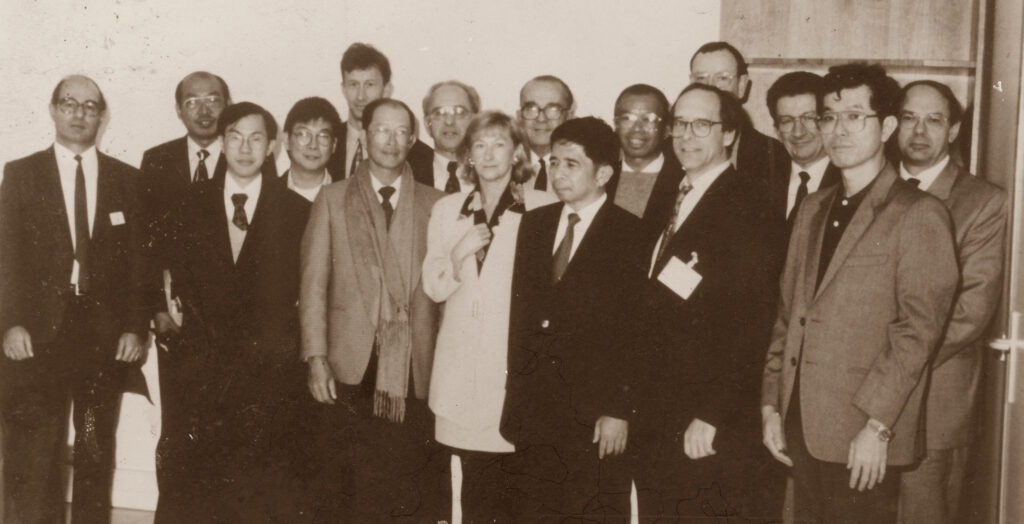
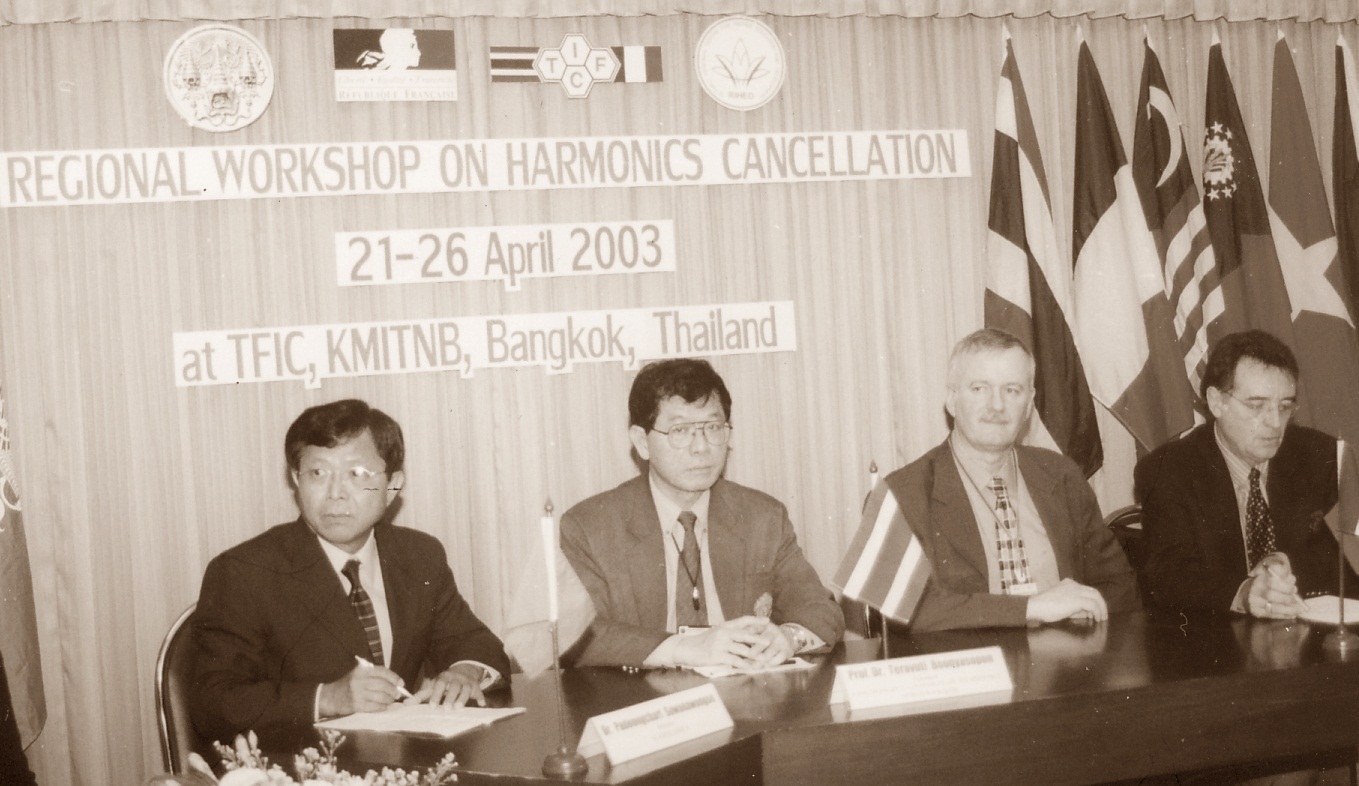
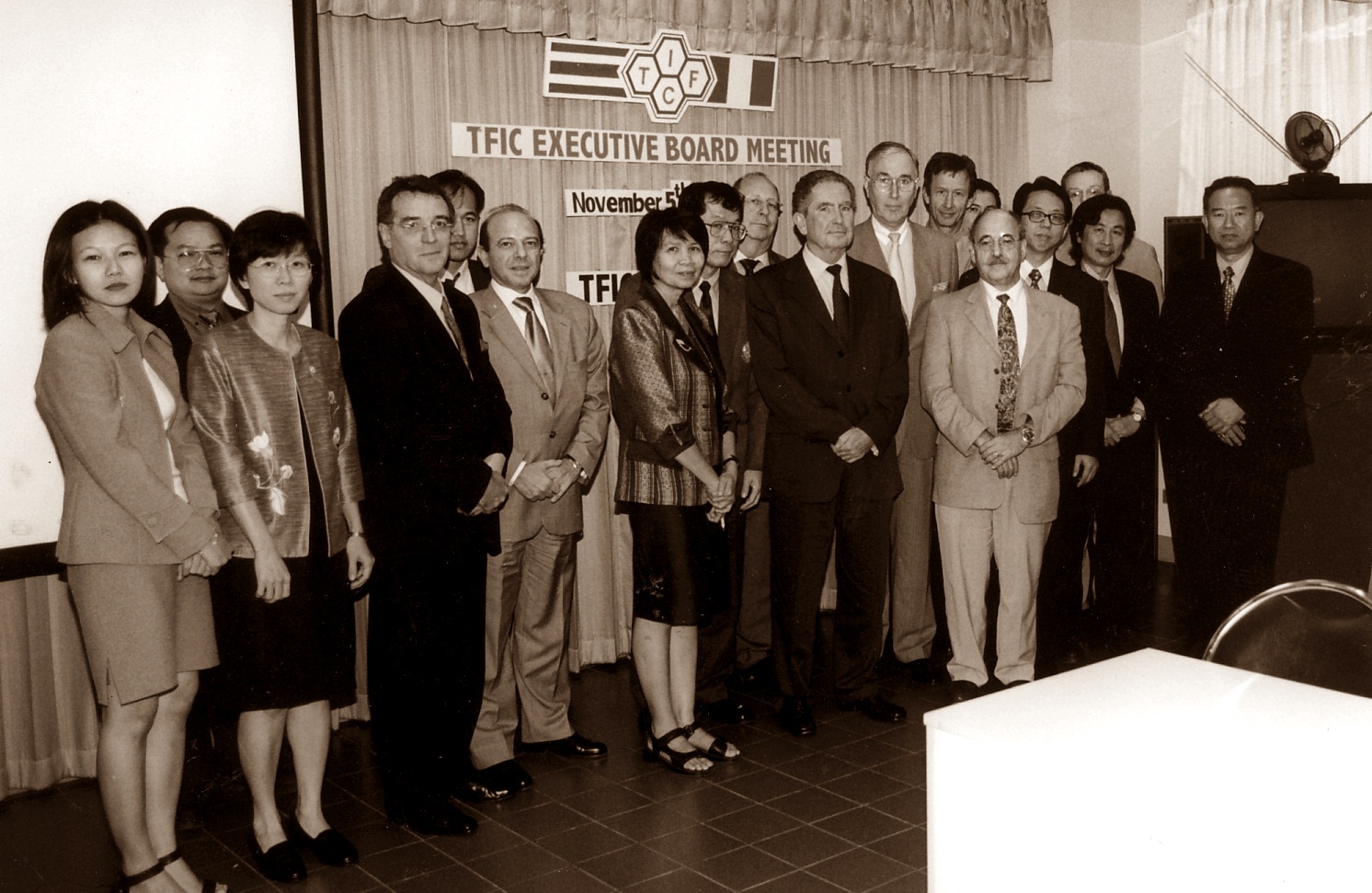
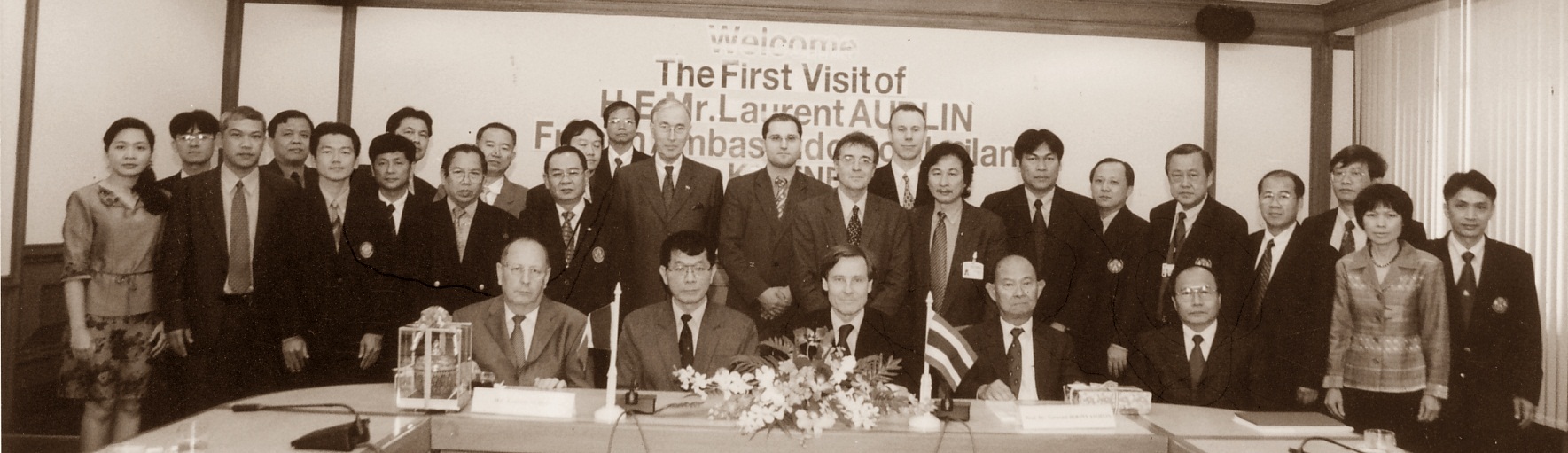
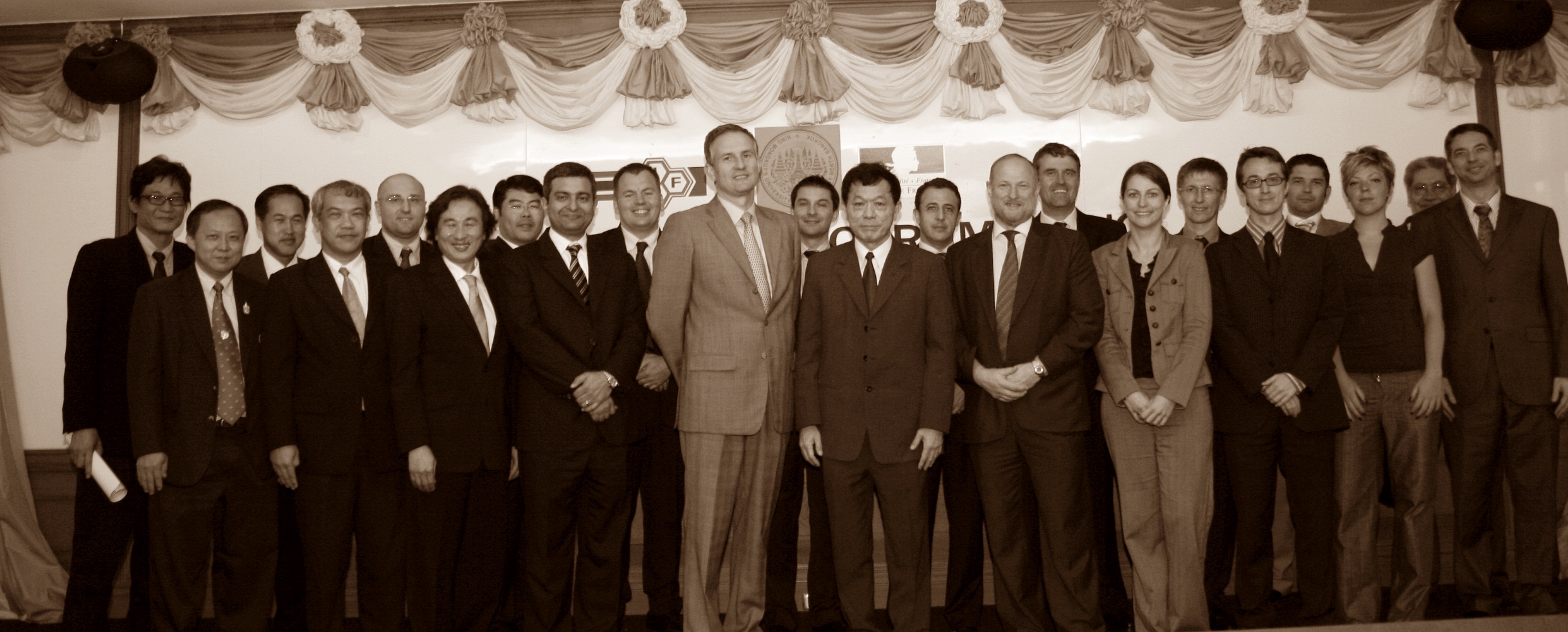
TFIC Executive Board constituting representatives from the government and industrial sectors from France and Thailand. French Ambassador to Thailand and KMUTNB President serve as Co-Chairs who give advice, direct and coordinate TFII’s operations and activities, ensuring full compliance with institutional goals and objectives. Ordinarily, the annual Board meeting is held once a year.
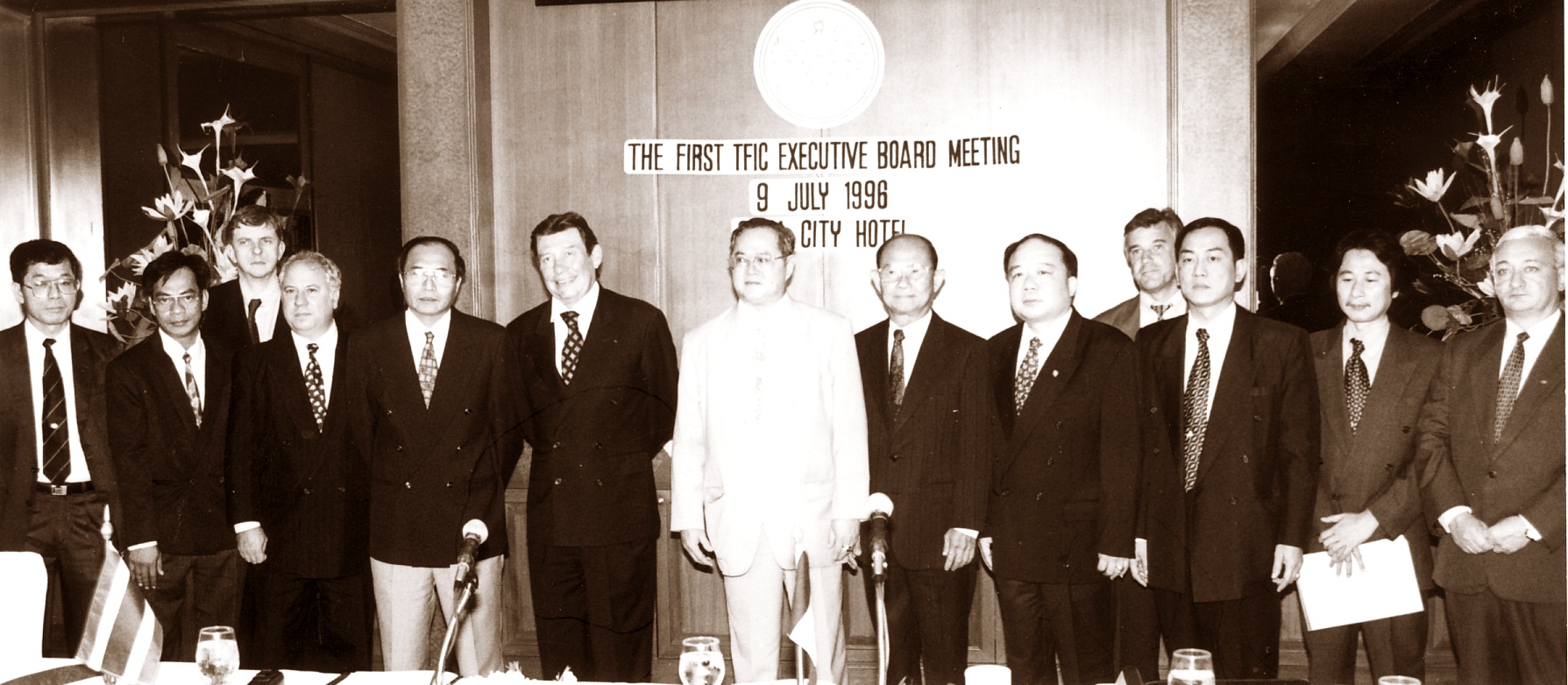
H.E. Gerard COSTE (front row, 5th from left), Founder and Co-Chairman of TFIC Executive Board until 1999. The first meeting was held on July 9, 1996.
H.E. Christian PRETRE (front row, 6th from left), Co-Chairman of TFIC Executive Board from 2000 to 2002.
H.E. Laurent AUBLIN (sitting 3rd from left ), Co-Chairman of TFIC Executive Board from 2003 to 2005.
H.E. Laurent BILI (front row, 5th from left), Co-Chairman of TFIC Executive Board from 2007 to 2009.
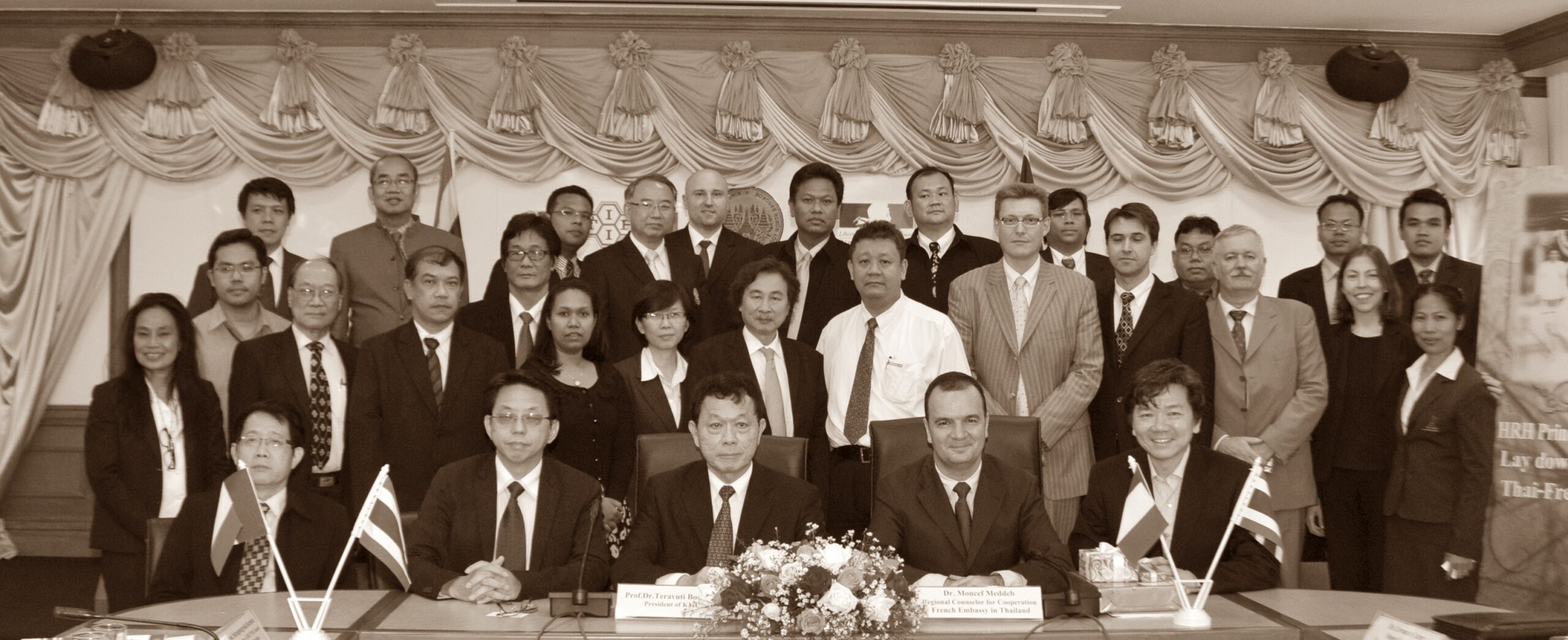
Dr. Moncef Meddeb, Attaché for Scientific and University Affairs (sitting 4th from left), representative of H.E. Gildas Le LIDEC in 2011.
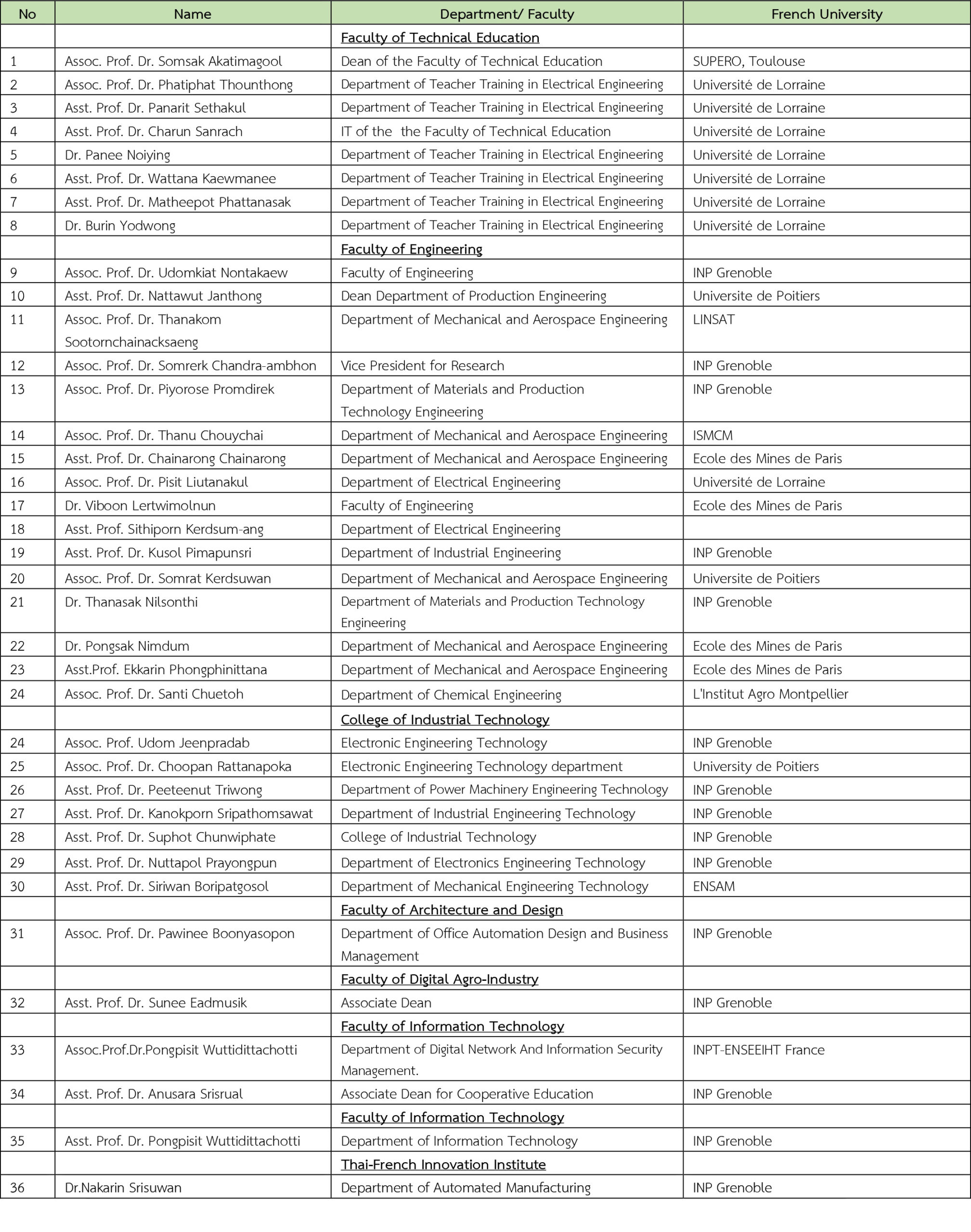
A list of KMUTNB faculty members who obtained their university degree in France
36th Anniversary Thai-French Innovation Institute
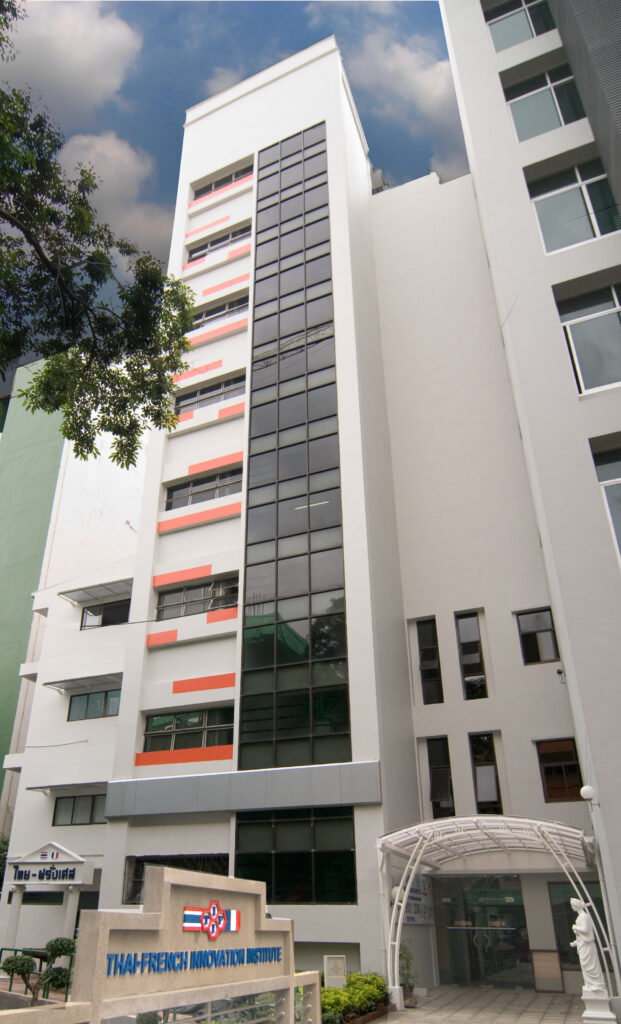
1. The Establishment of Thai-French Innovation Institute (TFII):
Thai-French Innovation Institute (TFII) has been initiated as a supportive Administration Unit for King Mongkut’s University of Technology North
Bangkok (KMUTNB). The main institutional objective highlights the improvement of human resources for Thailand’s industrial development. France can obtain a long-term gain regarding the dissemination of modern technology into industry and academia in developing countries, thus bolstering bilateral cooperation for areas of science and technology. Until now, 3 academic cooperation agreements have been endorsed by the
representatives from the Thai and French governments:
The first agreement was signed on October 13, 1991 in Bangkok by the Finance Ministers of Thailand and France. The undertaking aimed to provide no-charge assistance for Thailand. The project was carried out through the Department of Technical and Economic Cooperation of Thailand and Le Crédit National of France.
The second agreement, signed between the representatives of Thai and French governments on December18, 1991 in Paris and once again on January 3,1992 in Bangkok, released the activation endorsement of the project implementation.
The third agreement was signed on October 29, 1991 in Paris between KMUTNB and the French Chamber of Commerce for the establishment of Thai-French Innovation Center (TFIC), which was promoted afterwards to the Thai-French Innovation Institute (TFII).
In the first 3 years, the establishment project was supported by assistance of Le groupe Air Liquide, Federation des Industries Mécaniques and France DIDAC. The assistance worth 140-million baht was in the forms of qualifying machinery; equipment involving welding, automation and simulation in energy aeronautics electronics and computers. Scholarships offered were categorized as follows: scholarships for faculty members; visit grants for administrators; scholarship for studying in Aerospace Engineering; and short-term training grants for disciplines concerning
automation, welding and testing, electrical, together with electronics and computer science.
Under the cooperative agreement, the Thai government was accountable for hiring support personnel and determining 34-million baht budget allocation for the attainment of 8-storey building upon the 3,200 sqm area to be called the Thai-French Innovation Center (TFIC).
As a historic event of King Mongkut’s University of Technology North Bangkok, Her Royal Highness Princes Maha Chakri Sirindhorn graciously paid a visit to the University to lay the foundation stone of the Thai-French Innovation Institute on October 2, 1990.
Two years later on 5 June 1992, the princess presided over its official opening and visited an exhibition of modern machinery and equipment manufactured by French companies which was offered by the French government under the academic cooperation agreements.
Once more, Her Royal Highness the Princess graciously came to KMUTNB to preside over the technological innovation exhibition hosted by TFII in commemoration of the Institute’s 20th anniversary on October 22, 2010.
On December 26, 2007, the 2007 Statute involving the establishment of KMUTNB was included in the Ratchakitjanubeksa (Royal Gazette of Thailand), issue 124, section 98 (a). In the meantime the University Council made an announcement of KMUTNB organizational units as dated February 13, 2008, article 4 declaring the establishment of each Faculty, College, Institute, and Center. Then, the Thai-French Innovation Center
(TFIC), was promoted to the Thai-French Innovation Institute (TFII), with the equivalent status to a University faculty. The announcement was delivered on the Royal Gazette vol.125 section 684 page 21, dated April 4, 2008.
2. Objectives for TFII establishment:
TFII was established under Thai-French cooperation with the aim of providing integrated services encompassing instruction, research conduct,
training, calibration and testing as well as giving consultation. The core mission areas are as follows:
1. To be the center for actual practice and advanced technology research activities for KMUTNB’s students and faculty.
2. To be training center for technicians, engineers, technical teachers and students from various institution
form national public and private sectors as well as from Southeast Asian nations.
3. To be the center promoting modern French machinery and equipment as well as being the focal point for technology transfer via training, demonstration, and research activities.
4. To be a center for technical consultancy for industrial enterprises.
3. Founder Agencies from Private French Organizations:
Owing to the assistance of 3 based organizations, i.e. L’Air Liquide Group, la Federation des Industries Mécaniques and France DIDAC, the formation of Thai-French Innovation Institute has become successful through the support of these French companies:
1. L’AIR LIQUIDE GROUP
2. INSTITUT DE SOUDURE
3. CETIM
4. MECAFORM
5. AFMA ROBOTS
6. LOG’IN
7. MULTISOFT ROBOTIQUE
8. NUM
9. REALMECA
10. SERETE
11. CORYS
12. EDF-GDF
13. F.I.A.S
14. MERLIN GERIN
15. MENTOR SCIENCES
16. ARDEMI
17. THOMSON CONSUMER ELECTRONICS
18. THOMSON CSF COOPERATION
19. TELEMECANIQUE ( Schneider Electric Ltd.)
4. Sub-organizations Operated under the Umbrella of TFII:
Since the release of the initial phase, significant assistance in the form of equipment, machinery and experts from the French government and industries have been provided to TFII and each department.
4.1 WeldingTechnologyDepartment:
Welding Technology Department has been supported by L’AIR LIQUIDE Group with regard to machinery and equipment including automatic welding and plasma cutting machines. Besides, funds wered used to support staff training and professional development. Technology transfer to Thai industries and production of technologists and engineers has been realized via collaborative efforts with experts from Institut de Soudure.
In 2001, the Welding Technology Department has been approved by the Welding Institute of Thailand (WIT) to be authorized for diverse training programs in accordance with the regulations of The International Institute of Welding (IIW). With international acknowledgement since its introduction, IIW has a list of 69 member nations around the world.
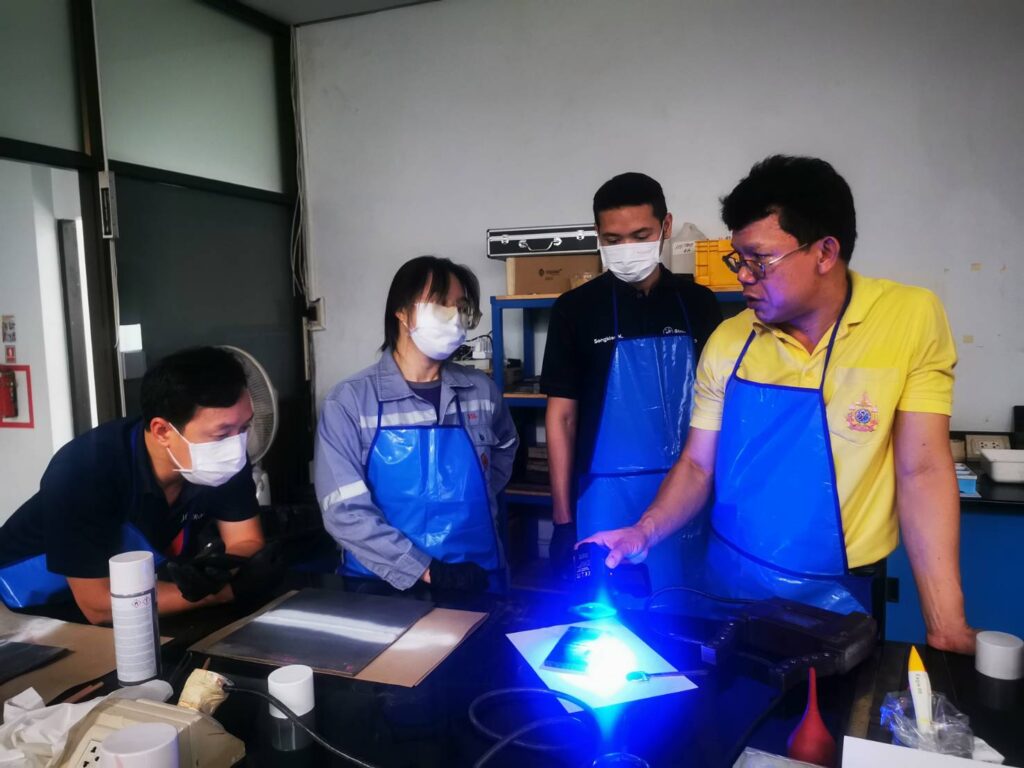
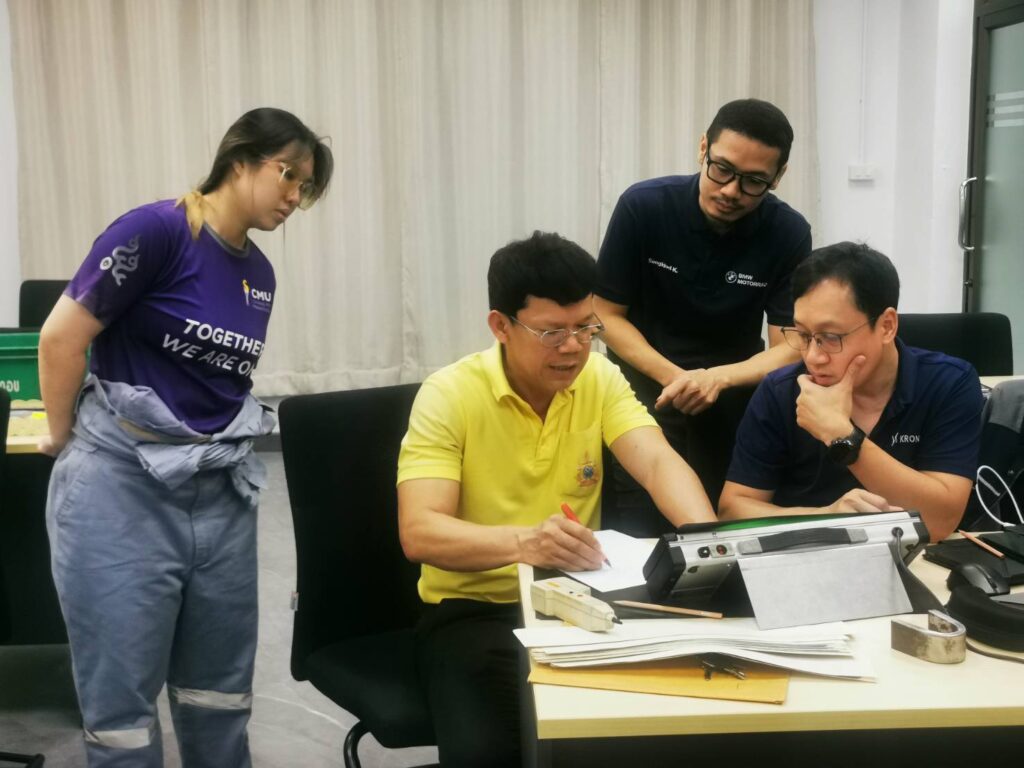
Some of the courses offered involve International Welding for Engineers, Welding Technologists, Welding Specialists, Welding Practitioners, International Welding Inspection Personnel and International Welders. Other training sessions encompass NDT Testing Methods and Ultrasonic Testing based on ISO 9712. Essential services testing and calibration, consultation in conjunction with issuance of certifications are also offered.
In 2009, a cooperative agreement was signed between the Welding Technology Department and IS Industrie (Thailand) Ltd. to facilitate the distribution of technology services such as training, inspection, testing and research conduct.
4.2 Research and Technology Transfer Department:
Research and Technology Transfer Department was initiated by the local-international collaboration across academia-private sectors such as Ekarat Solar Co. Ltd. and Université de Lorraine. The primary objective is to support research conduct and to present a dual degree doctoral program in the field of Electrical and Energy Engineering. As results, a considerable number of research publications and research-based knowledge have been disseminated in national / international journals and conferences. TFII has long been recognized
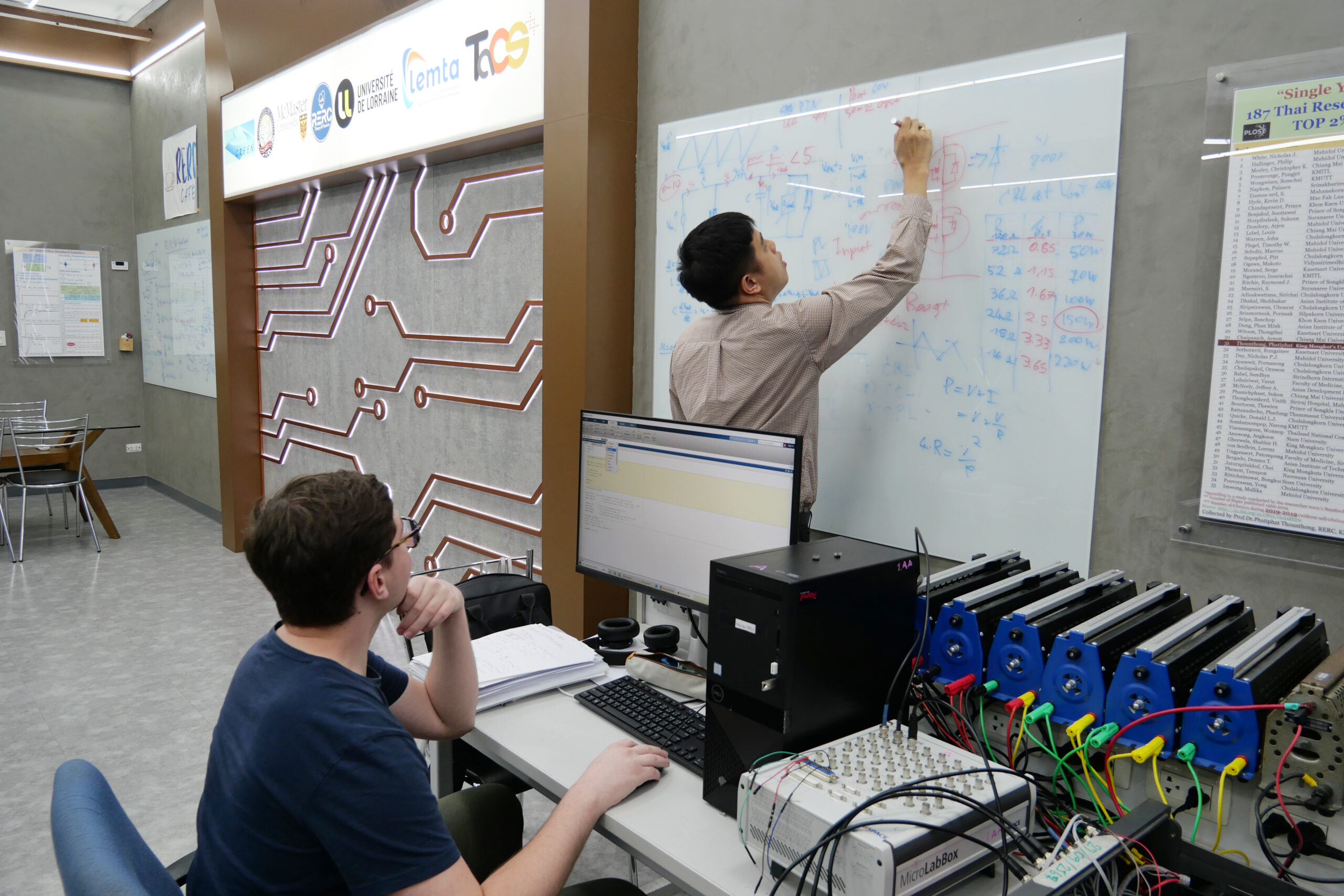
Research and Technology Transfer Department was initiated by the local-international collaboration across academia-private sectors such as Ekarat Solar Co. Ltd. and Université de Lorraine. The primary objective is to support research conduct and to present a dual degree doctoral program in the field of Electrical and Energy Engineering. As results, a considerable number of research publications and research-based
knowledge have been disseminated in national / international journals and conferences. TFII has long been recognized as a research partner of the GREEN (Group of Research in Electrical and Electronics Engineering of Nancy). Afterwards it has set up the Renewable Energy Research
Center to expand research studies in the field of renewable energy.
In addition, the department is responsible for laboratories for courses offered in the dual-degree program in Electrical and Energy Engineering. The services are also available to those students interested in carrying out research works on renewable energy as well as advanced energy management via energy storage devices.
4.3 Corrosion Technology Department:
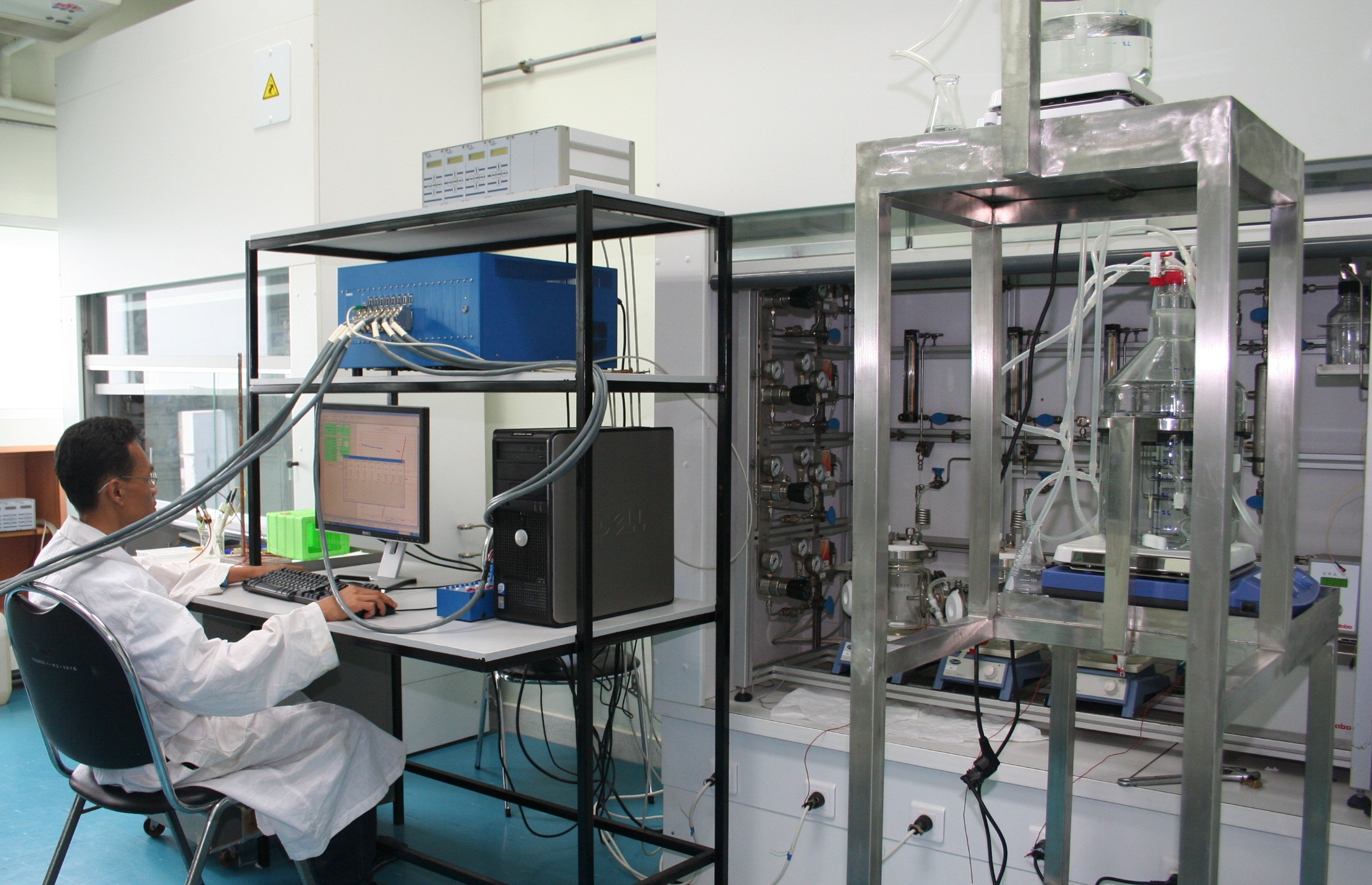
The Corrosion Technology Department obtained assistance from UGINE Steel Company and Thainox Stainless Public Co. Ltd. to set up a laboratory for conducting corrosion research utilizing electrochemical technique. Numerous scholarships have been provided for training, graduate studies and exchanges of human resources. The department has significant collaboration with Institut National Polytechnique de Toulouse (INP Toulouse) and Institut National Polytechnique de Grenoble (INP Grenoble).
In 2006, the department in cooperation with PTT Exploration and Production Public Company Limited and TOTAL E&P Thailand signed an MOU to set up “the nation’s first inhibitor testing laboratory” as to prevent corrosion in the oil and gas industries.
The laboratory supports advanced research work in relevant technology. The department is specializing in the analysis and inspection of corrosion problems. It regularly provides consultations and training sessions to internal and external agencies. Furthermore, TFII has jointly operated research and testing activities on corrosion technology with Institute for Tropical Technology (ITT), Vietnam.
4.4 Automated Manufacturing Department:
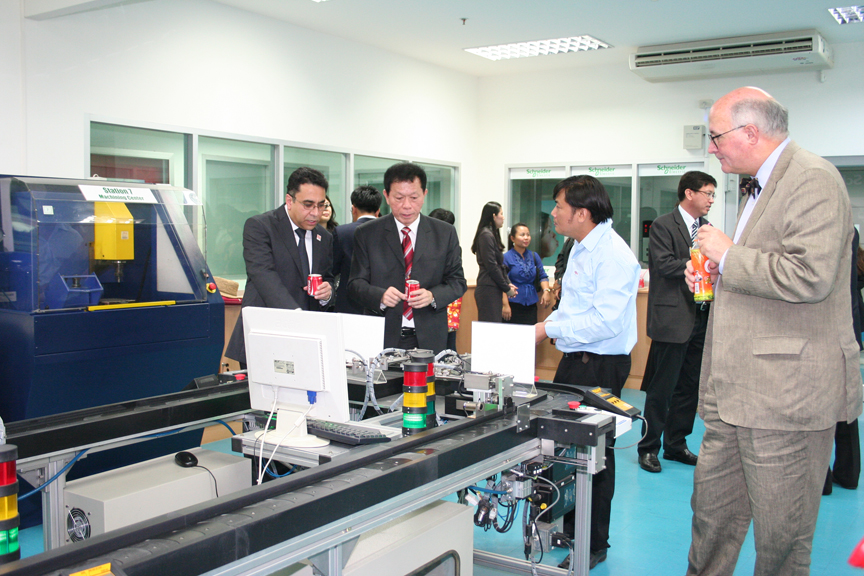
The Automated Manufacturing Department has gained support from MULTISOFT ROBOTIQUE (INTELYS) and Schneider (Thailand) in terms of
laboratories, grants for training and staff development. Assisted by the partner organization Schneider (Thailand), the department becomes successful in setting up the Programmable Logic Controller (PLC) Laboratory, the Computerized Numerical Control (CNC) Laboratory and the Automated Manufacturing and Energy Conservation Laboratory. All these labs provide services and deliver long-term sustainable training support to personnel in academic and industrial settings. Additionally, the Department is engaged with consulting services and creating academic networks with multiple public-private agencies, such as the Institute for Skill Development Region 4 and the Provincial WaterworksAuthority.
The department, in collaboration with Institut National Polytechnique de Grenoble (INP Grenoble), École Nationale Supérieure de Génie Industriel (ENSGI) have conducted research involving management systems in industrial manufacturing and operated exchange programs for Thai and French researchers.
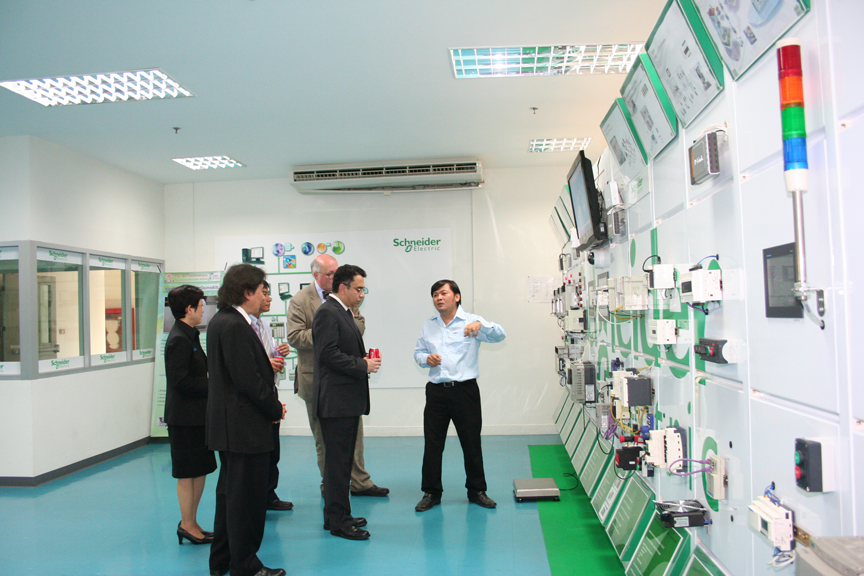
4.5 Electrical and ElectronicTechnology Department:
Electrical and Electronic Technology Department with support from Électricité de France (EDF) and Ecodime has set off a power station simulation laboratory, supplying supply Electric Drives for training equipment, instruction and research purposes.
The department has collaboration with Université de Lorraine, L’École Nationale Supérieure d’Électricité et de Mécanique (ENSEM) involving graduate research studies. Furthermore, the cooperation with Groupe de Recherche en Électrotechnique et Électronique de Nancy (Laboratoire GREEN) resulted in the launch of the energy laboratory laboratory dedicated to research,development, and deployment of renewable energy and
energy efficiency technologies and energy conservation. A number of research papers and scholarly work were disseminated at national and international conferences.
Furthermore, the department offers consultations for varied industries, suggesting solutions and troubleshooting situations which implicate electric motor and drive problems, offering solutions to energy losses, energy management and conservation, along with energy savings measures. In cooperation with Schneider Electric Thailand, the Department has created a range of training courses such as the design
and installation of solar panel roof.
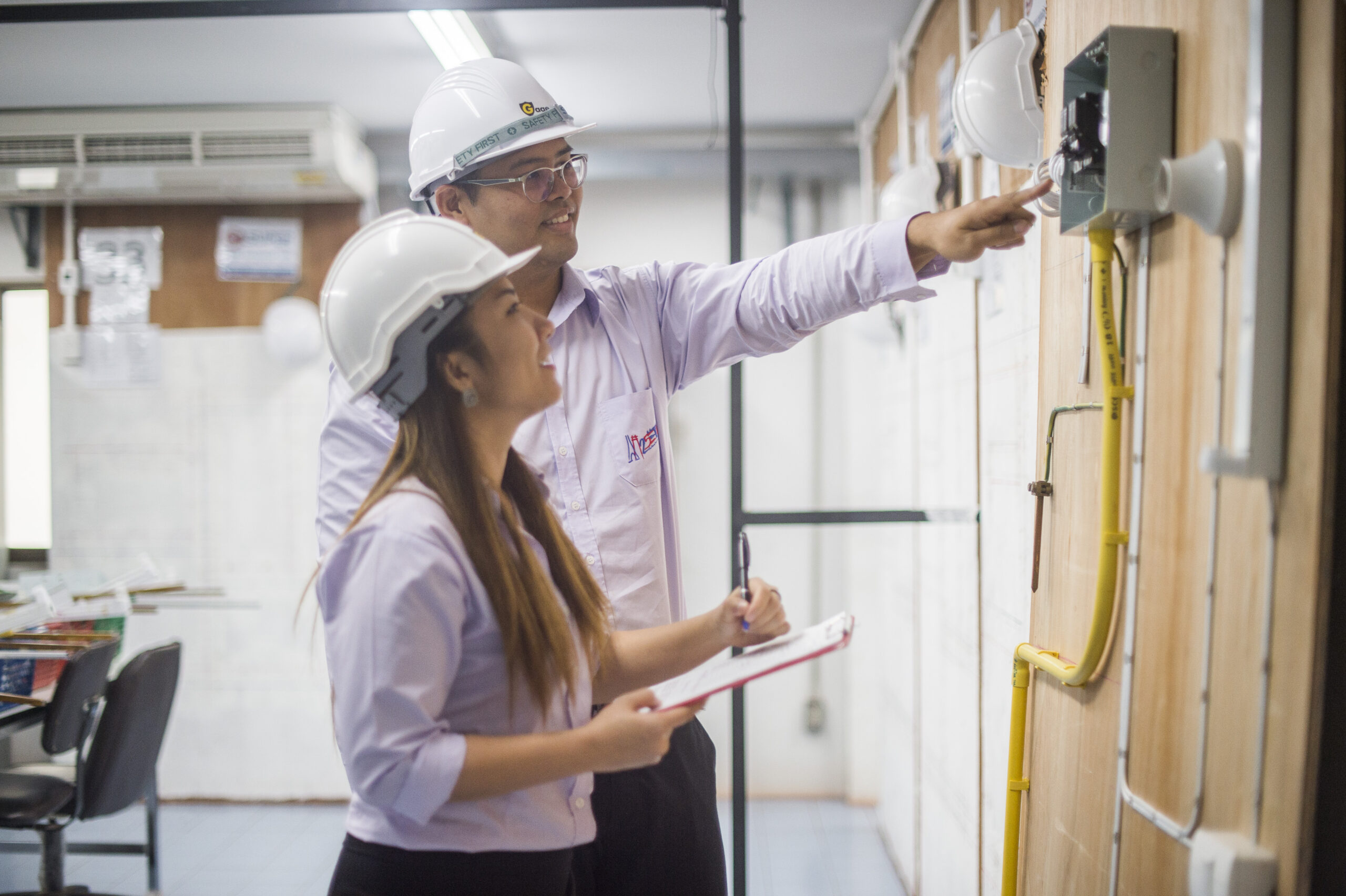
4.6 Computer for Industrial Applications Department
The Computer for Industrial Applications Department was initiated in support of the application of computer-based services for industries, such as computer-based training, computer-based integrated learning systems,personalized research support and consultation sessions.
4.7 Office of the Director:
The sector is responsible for administration support functions, managing support services for such various aspects as training, financial issues, policy analysis and planning, procurement, together with common functions relating to budget, personnel, audiovisual and building operations.
Center of Excellence
1. Center of Excellence in Electrochemistry and Corrosion Technology (CoE-ECT)
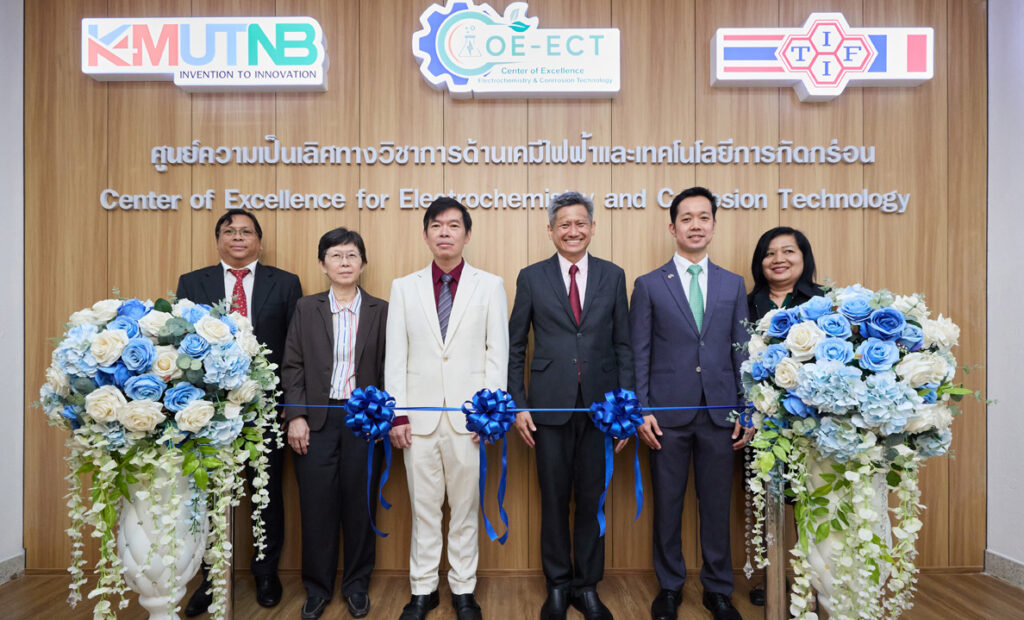
The project to establish the Center of Excellence in Electrochemistry and Corrosion Technology (CoE-ECT) under the Thai-French Innovation Institute, King Mongkut’s University of Technology North Bangkok, aims to strengthen the country’s capabilities in electrochemical and corrosion testing laboratories to meet international standards and gain regional recognition. The initiative seeks to address the needs of key industries, including energy, petrochemicals, food and beverage packaging, and infrastructure, by achieving ISO/IEC 17025 accreditation, investing in advanced scientific instruments, and fostering collaborative networks at both national and international levels.
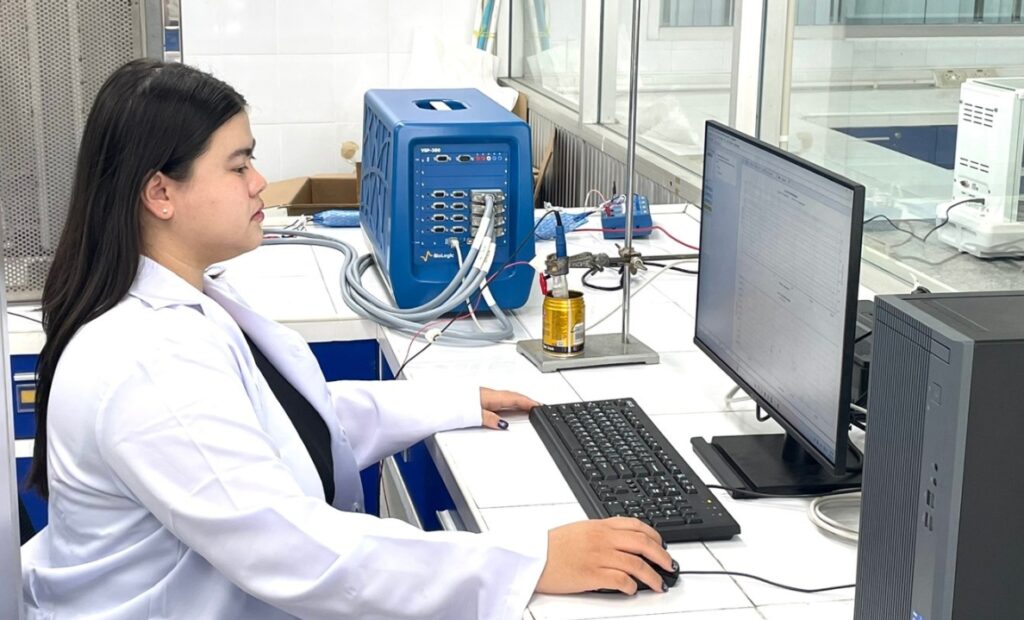
In its first year of operation, the project invested 7.5 million THB in acquiring critical electrochemistry and corrosion equipment, such as a multi-channel Potentiostat/Galvanostat, a high-pressure and high-temperature corrosion testing system, a Volatile Corrosion Inhibitor (VCI) testing platform, high-temperature corrosion research instruments, and supporting systems for sample preparation and inspection in compliance with ASTM and NACE standards. These acquisitions enhance the laboratory’s capability to perform advanced analyses and deliver services to industry at a level competitive with international laboratories.
Key achievements in 2025 include the accreditation of two electrochemical testing methods under ISO/IEC 17025, the establishment of two academic collaboration agreements (MOUs) with Universiti Teknologi PETRONAS and Universiti Teknologi MARA, and the development of 19 students at the undergraduate, master’s, and doctoral levels through research and training programs. The center has also carried out 18 industry-based projects, conducted six training workshops with participation from over 282 trainees, and generated service revenue of 6,635,300 THB. Furthermore, six international research publications were produced, focusing on the advancement of electrochemical and corrosion testing methodologies.
In summary, CoE-ECT serves as a key driver in positioning Thailand as a regional hub for testing and research in electrochemistry and corrosion technology. By strengthening international collaborations, producing highly skilled specialists, and providing industry-driven solutions to corrosion challenges, the center significantly contributes to enhancing the nation’s competitiveness in science, technology, and the economy over the long term.
2. TFII-Schneider Electric Center of Excellence
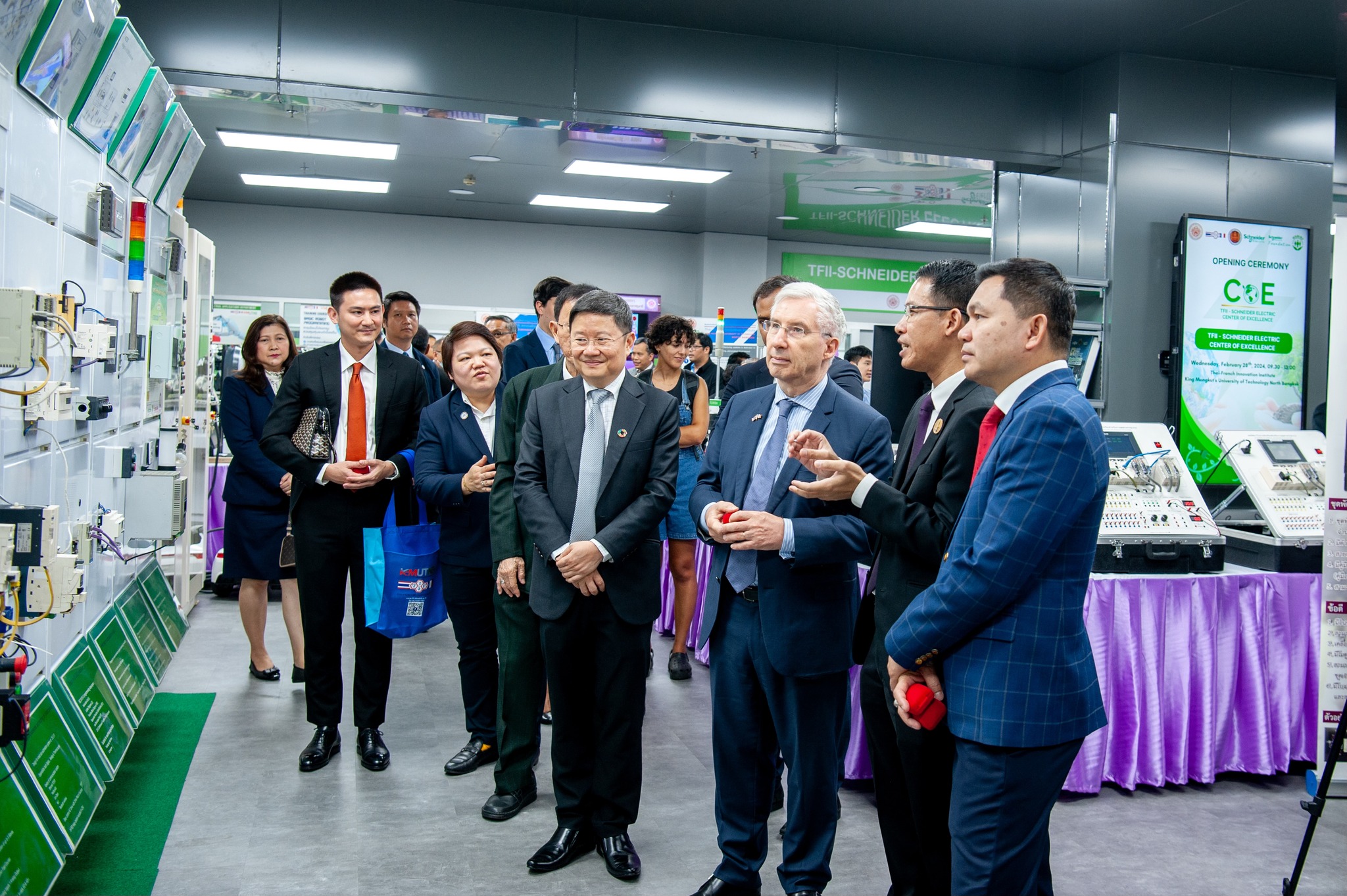
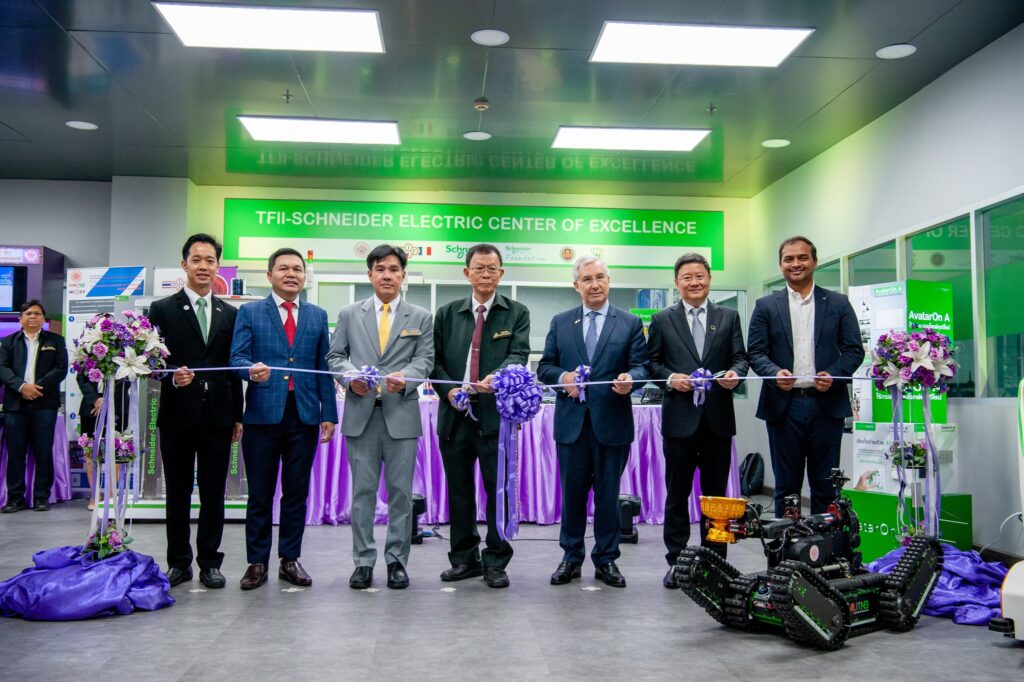
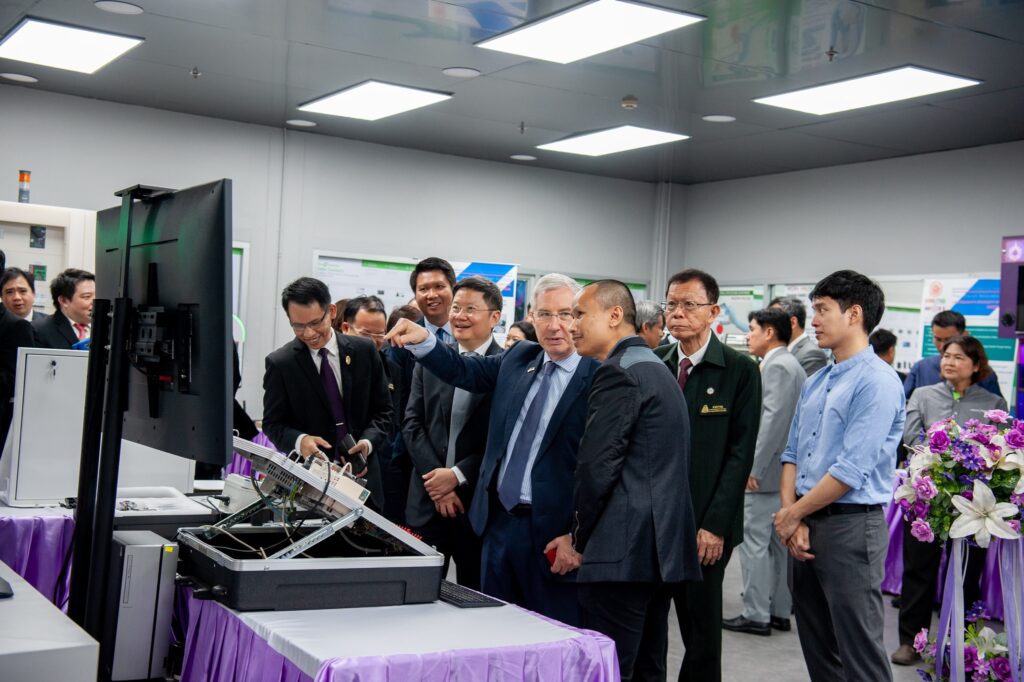
The TFII-Schneider Electric Center of Excellence will be a part of the Thai-French Innovation Institute for developing students, faculty in higher education institutions, vocational education institutions both public and private sectors, and personnel in the industrial sector. The aim is to produce highly skilled individuals in industrial automation control systems, electric motor control systems, efficient energy management systems, SCADA systems, and electric vehicle charging as required by the industry.
In the initial phase of operation, the TFII-Schneider Electric Center of Excellence will provide training for faculty members of King Mongkut’s University of Technology North Bangkok and conduct training programs for expert trainers for technical colleges under the supervision of the Office of the Vocational Education Commission, totaling 13 institutions nationwide, aim to produce teachers with knowledge and skills in using modern technology tools and equipment, then return to teach and train students in the colleges, in line with the objectives of the academic collaboration promotion project that has been implemented.
The official opening of the TFII-Schneider Electric Center of Excellence marks a significant milestone in Thailand’s pursuit of industrial excellence. This collaborative venture between academia and industry, spearheaded by the Thai-French Innovation Institute and Schneider Electric, promises to equip the next generation of professionals with the specialized skills crucial for success in fields like automation, renewable energy, and smart systems. By empowering both students and faculty across various educational institutions, the Center sets the stage for a future workforce prepared to navigate the evolving demands of the industrial landscape. This, in turn, paves the way for sustained economic growth and technological advancement, solidifying Thailand’s position as a leader in regional innovation.
5. International Organization for Standardization-ISO:
5.1 ISO 9001:2015 – Human Resource Management:
TFII is committed to developing the quality of human resources and providing constant academic services to the society. The Institute has adopted the ISO 9001: 2015 for the administration since 1999. The main policy is placed on “Becoming a leader in academic and research at the international level. “Quality management activities cover various scopes encompassing technical training, research and academic service, consultancy and problem solving, inspection and testing, design and production. Procedures for operating and maintaining the quality system and quality improvement were established following the requirements of ISO 9001:2008, staying in line with contractual service agreement with customers and the University Regulations.
5.2 Testing and Calibration Laboratory-Obtaining ISO/IEC 17025:2005 Accreditation:
On May 15, 2014, TFII laboratory was awarded the internationally recognized ISO/IEC 17025:2005 accreditation as it has completed general requirements for the competence of testing and calibration laboratories (Certification number 0374), in which the testing mechanisms cover the chemical analysis of materials in accordance with ASTM E415 standard.
6. TFII’s Operational Activities and Outcomes:
6.1 Academic Services:
TFII provides support service for students at all levels, allowing students to use laboratories and classrooms for instructional purpose, research conduct and projects or activities
6.2 Research Conduct:
6.2.1 Renewable Energy Research Center-RERC:
6.2.2 Corrosion Technology Department:
6.3 Academic Services and Training:
6.4 Calibration and Testing Services: